June 25, 2026
In today’s world, the demand for personalized solutions is growing. This applies to architecture, technology, organizational systems, and more. Understanding how to navigate custom structure building to fit your needs is vital for maximizing efficiency, enhancing functionality, and achieving your specific objectives. In this article, we will explore the critical elements of constructing a bespoke structure that is aligned with your unique requirements.
Assessing Your Needs
Identifying Objectives
Determining the primary goals you wish to achieve with your custom structure building requires a focused approach. Begin by distinguishing between short-term objectives and long-term aspirations. Consider how each goal aligns with overall organizational strategies and ensure they support your mission. It is crucial to involve all stakeholders to gain insights and validate these objectives. With a well-defined purpose, efforts can be efficiently directed towards the most impactful outcomes.
Understanding Constraints
Evaluating constraints such as budget, time, and resources is essential early in the planning process. Understanding these limitations helps in setting realistic expectations and developing achievable plans. Consider the potential impact of resource scarcity or time limitations on the project's overall viability. A comprehensive analysis of available resources versus needs facilitates effective resource allocation. Strategizing around constraints can also foster innovative solutions and creative problem-solving.
Gathering Stakeholder Input
Involving stakeholders from the outset ensures that varied perspectives are taken into account. Stakeholders, from end-users to financial backers, can provide unique insights that may be overlooked otherwise. Their input is invaluable for understanding the broader impact of the custom structure building. Collaborative discussions can aid in preemptively resolving conflicts and aligning goals. This consultative process enhances buy-in and support throughout the project lifecycle.
Analyzing Current Solutions
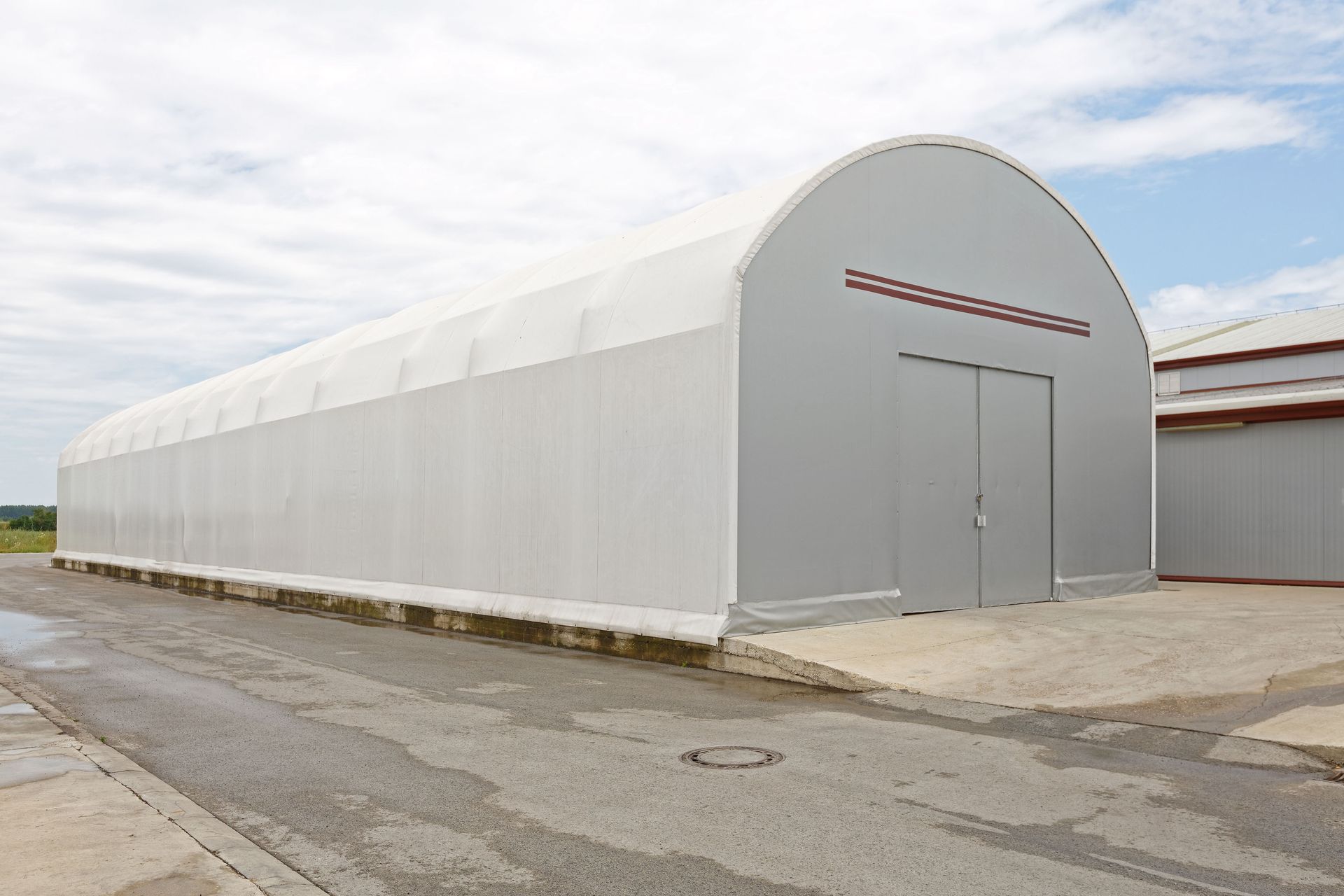
Reviewing existing systems provides a benchmark for evaluating progress and identifying improvement areas. Existing frameworks often highlight valuable components that can be enhanced or reimagined. This analysis serves as a foundation for innovation, guiding the identification of gaps and inefficiencies. According to gb&d Magazine, architectural fabric can last 20 to 30 years, while metal frames and cables can last 50-plus years, offering insight into longevity in structural decisions. Understanding these current solutions also helps validate the need for custom structure building.
Setting Priorities
Determining which features are critical versus those that are optional aids in effective resource allocation. Prioritization involves identifying core components crucial to achieving objectives. It's essential to consider both immediate needs and future expansion opportunities while setting priorities. Agile planning techniques can assist in maintaining flexibility while adjusting priorities as new needs arise. Ultimately, prioritization ensures focus remains on delivering primary objectives efficiently.
Designing the Framework
Choosing Materials and Resources
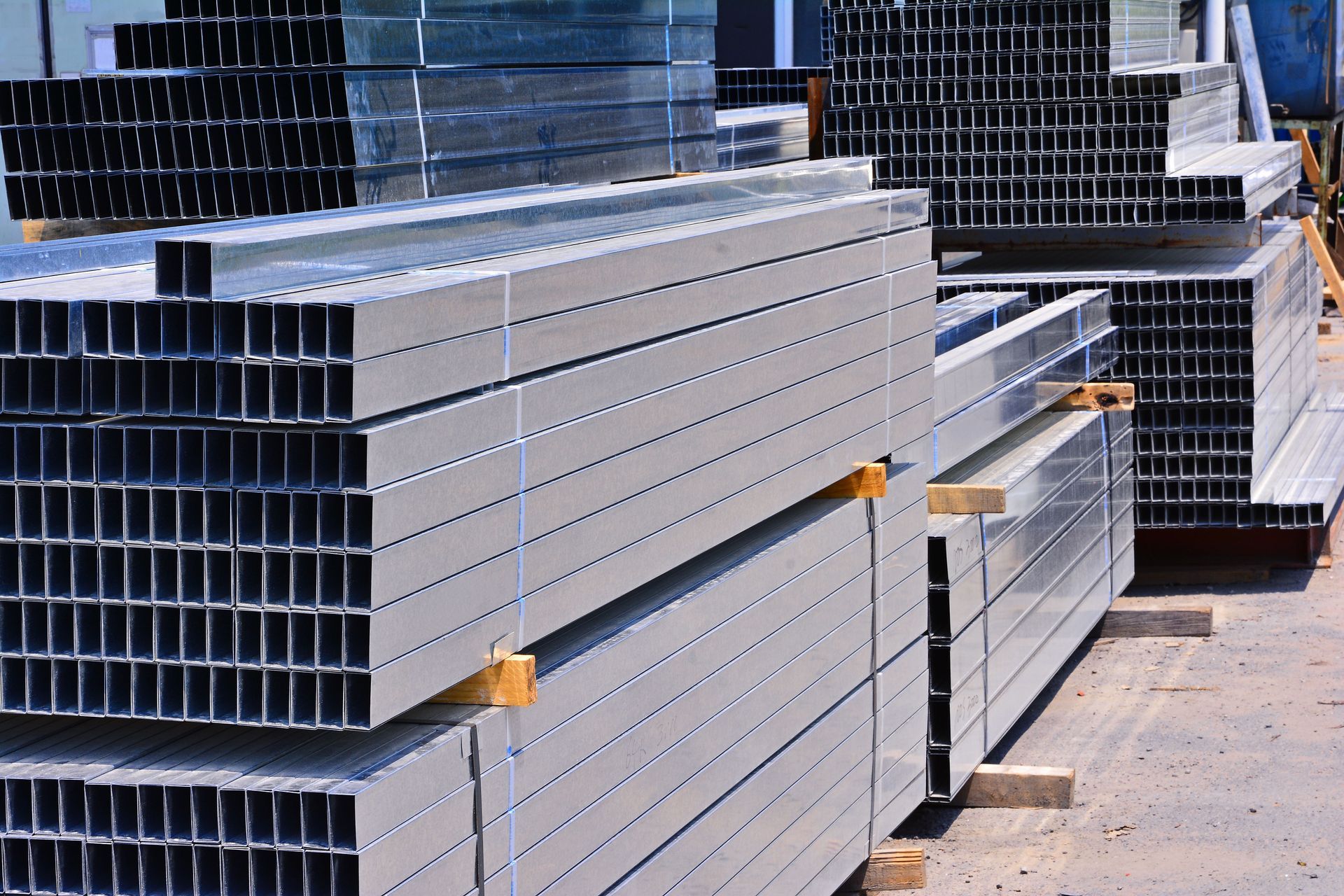
Choosing the right materials is paramount to align with your needs and constraints. Understanding the durability, cost, and ecological impact of materials informs responsible decision-making. The choice of materials for architectural structures, such as durable metal frameworks, ensures longevity and reliability. This selection process is enhanced by considerations of future maintenance requirements and environmental impacts. Strategic material selection not only supports project goals but also enhances overall sustainability.
Ensuring Scalability
Designing with scalability in mind prepares the structure for future needs. As businesses and environments evolve, the ability to adapt becomes crucial. Incorporating modular and flexible elements in the design facilitates adjustments without significant overhauls. Scalability ensures the structure remains relevant and functional even as demands change. An adaptable design fosters longevity and supports strategic growth objectives.
Prioritizing Sustainability
Integrating sustainable practices into design plans is essential for environmentally responsible development. Eco-friendly materials and energy-efficient designs contribute positively to environmental goals. Implementing sustainable solutions can also lead to reduced operational costs and foster positive stakeholder relationships. Long-term considerations, such as the use of renewable energy sources, further strengthen sustainability efforts. A commitment to sustainable practices underscores responsibility towards future generations.
Creating Prototypes and Mockups
Prototypes and mockups play a critical role in refining designs before full-scale implementation. These preliminary versions enable testing of functionality, aesthetics, and performance in varied scenarios. Early identification of design flaws can save time and resources by preventing costly errors. Feedback gathered during prototype testing informs iterative improvements to align better with project goals. This approach minimizes risks and contributes to a superior final product.
Implementation Strategies
Choosing Project Management Approaches
Effective project management steers the project towards successful completion. Choosing an appropriate methodology, such as Agile or Waterfall, depends on project complexity and team dynamics. Agile methods facilitate adaptive planning, progressive development, and encourage flexible responses to change. In contrast, the Waterfall approach suits projects with clearly defined stages and sequential progress. Selecting the right approach enables project teams to navigate challenges effectively and maintain project momentum.
Developing a Timeline
Crafting a realistic timeline sets clear expectations and milestones. Accurate time estimates, accounting for potential challenges and delays, guide resource allocation and sequencing of activities. An effective timeline balances urgency with thoroughness, ensuring quality outcomes without unnecessary haste. Regular checkpoints facilitate monitoring progress and enable timely interventions if needed. A well-structured timeline promotes disciplined project execution and effective time management.
Handling Risk Management
Proactive risk management involves identifying potential risks early and developing mitigation strategies. Understanding risk likelihood and impact allows prioritization and informed decision-making. Developing contingency plans equips the team to respond rapidly and efficiently in case of unforeseen events. Continuous risk assessment and adaptive management ensure risk mitigation strategies remain relevant. Successful risk management maintains project stability and fosters resilience.
Breaking Down the Execution Phases
Breaking down the project into manageable phases enhances clarity and focus during execution. Each phase serves as a distinct segment with specific objectives, deliverables, and evaluation criteria. This phased approach allows for incremental progress and facilitates continuous improvement by incorporating feedback. Milestones at the end of each phase provide opportunities for assessment and necessary adjustments. Phased execution enriches project agility, ensuring alignment with evolving requirements.
Adaptation and Scaling
Adding Flexibility in Design
Flexibility within the structure's design enables adaptive responses to changing needs and circumstances. Scalable architecture and modular components facilitate rapid adjustments without extensive alterations. Fostering a culture of innovation and agility equips teams to respond swiftly to emerging challenges and opportunities. Flexibility not only sustains operational efficacy but also supports ongoing strategic alignments. Implementing adaptable features ensures sustainability and dynamic relevance in evolving environments.
Exploring Expansion Opportunities
Identifying expansion opportunities positions the structure for future growth and diversification. Market analysis and stakeholder consultations uncover potential avenues for strategic development. Implementing robust frameworks for scalability supports efficient capacity enhancements and resource optimization. Strategic expansion initiatives elevate competitive positioning and contribute to long-term success. Prioritizing opportunities that align with core competencies and vision fosters sustainable growth.
Upgrading Components
Regular upgrading of components ensures the structure building maintains operational excellence and introduces innovation. Technological advancements drive opportunities for enhancements that boost efficiency and performance. Scheduled assessments of existing components inform strategic upgrade decisions that align with resource constraints and objectives. Consistent refinement and updating of components enhance longevity and operational relevance. Upgrades also promote continued stakeholder engagement and satisfaction with evolving expectations.
Utilizing Future-Proofing Strategies
Future-proofing the structure building involves anticipating technological advancements and evolving requirements. Implementing proactive strategies and advanced technologies supports continued relevance and competitiveness. Ongoing learning and adaptation foster resilience against emerging challenges and disruptions. Long-term investments in innovative solutions and expertise propel strategic positioning to endure future pressures. A commitment to evolution and preparedness strengthens the structure's sustainability and success in an ever-changing landscape.
Building a custom structure tailored to your unique requirements necessitates a thoughtful approach, from initial assessment through to implementation and scaling. By systematically identifying your needs, designing a robust framework, and embracing adaptive strategies, you can create a structure that not only meets but exceeds your objectives. The examples and strategies provided in this article aim to equip you with the knowledge and confidence to embark on and succeed in your custom structure building endeavors. To learn more and get started on your custom structure, reach out to the pros over at Structures Unlimited LLC today.