June 15, 2026
Whether you are trying to find a better way to shield commercial inventory or need a vast covered space for specialized mechanical operations, finding the perfect architecture is vital. Traditional structures often demand massive upfront capital and immense long-term maintenance costs. One of the most effective solutions emerging in the industrial sector involves the strategic deployment of fabric buildings. These structures offer unique physical characteristics that fundamentally change how interior environments interact with external weather conditions. By focusing on smart design, organizations can enjoy massive spatial layouts without sacrificing climate management or structural integrity.
When evaluating your physical plant options, thermal performance stands out as a critical operational concern. Standard metal or concrete warehouses frequently turn into massive thermal bridges, absorbing exterior heat during summer months and shedding warmth rapidly throughout the winter season. This constant thermal transfer forces heavy heating, ventilation, and air conditioning systems to run continuously, driving up your utility expenses. Opting for a fabric structure changes that dynamic entirely by utilizing tensioned membranes that inherently resist rapid thermal conductivity.
Discovering the Natural Insulation Properties of Tension Membranes
The specialized covers utilized on fabric buildings do not transfer thermal energy the same way traditional steel or aluminum sheets do. Metal roofs absorb solar radiation intensely, radiating that intense heat downward directly into the interior workspace below. Tensioned fabric acts as a natural shield against this radiant energy transfer, keeping interior environments noticeably cooler during hot summer days. The non-conductive nature of these high-grade membranes ensures that external temperatures do not dictate internal conditions immediately.
During colder seasons, this same non-conductive material property helps contain the ambient warmth generated inside the facility. Because the material does not become ice-cold to the touch like standard structural steel, it minimizes the cooling effect that large exterior walls usually project inward. Air inside the facility remains at a more consistent temperature, reducing the demand on industrial heating units. Businesses can maintain comfortable working environments for staff and safe storage zones for materials without constantly adjusting the thermostats.
Maximizing Natural Daylight to Reduce Artificial Lighting Consumption
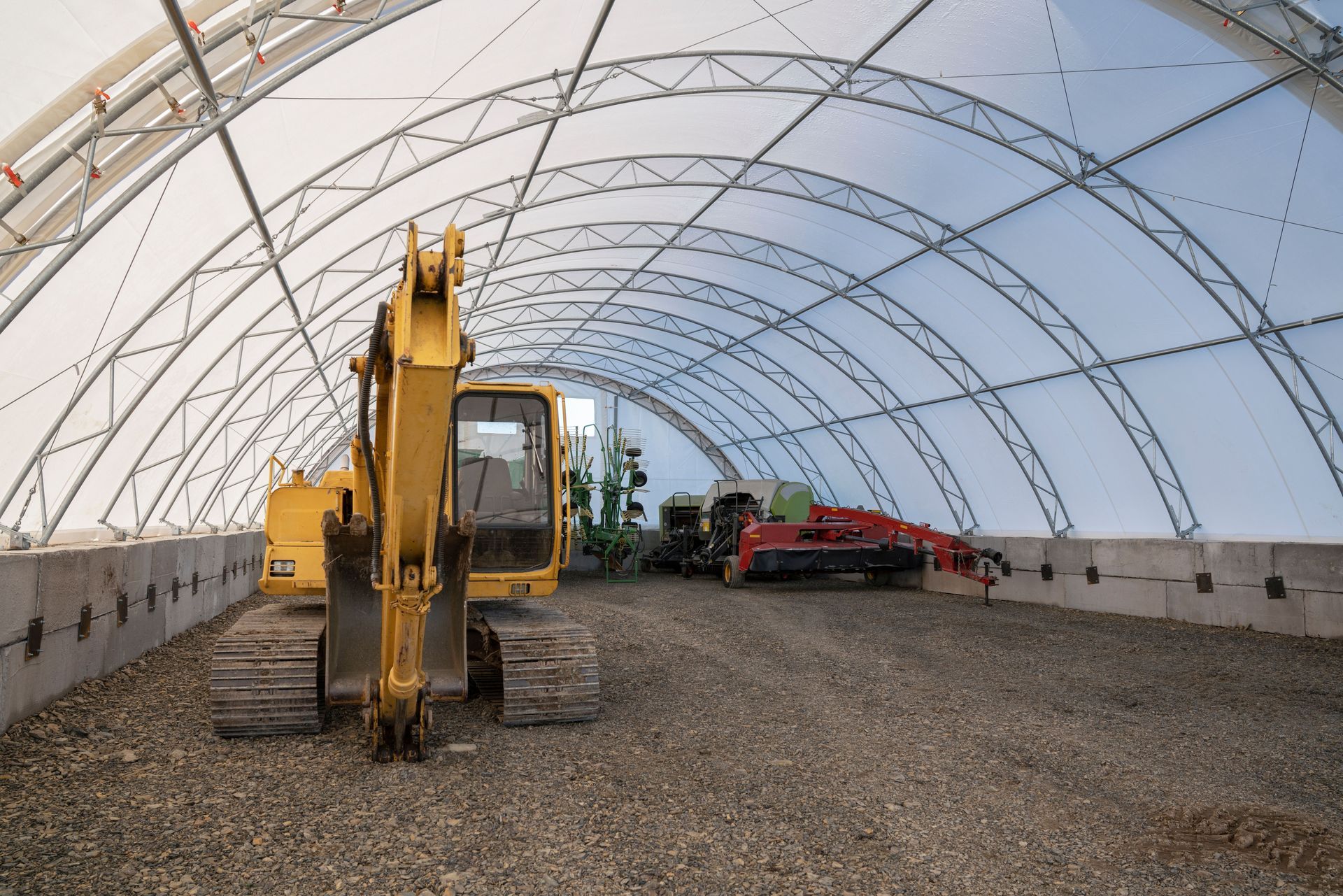
Artificial lighting represents a massive portion of the daily electrical consumption in any standard commercial or industrial warehouse setting. Traditional buildings require rows of heavy high-bay fixtures running constantly to ensure safe visibility across the interior floor. Choosing fabric buildings changes this paradigm because the fabric membranes allow natural daylight to pass right through the roof structure. This translucent property floods the entire interior space with bright, diffused daylight during normal operational hours.
This diffused sunlight eliminates deep shadows and dark corners without creating harsh glare or intense reflections on machinery and workspace surfaces. Workers can easily read documentation, operate heavy equipment, and manage inventory utilizing purely natural ambient illumination. By turning off major electrical lighting grids during day shifts, companies experience an immediate drop in their monthly utility bills. Over several years of continuous operation, these daily electrical savings accumulate into substantial sums of capital.
Reducing Heat Island Effects with High Solar Reflectance Index Materials
Traditional dark roofing materials absorb a massive percentage of solar radiation, contributing heavily to the heat island effect and raising local temperatures. The architectural fabric utilized on fabric buildings typically features an incredibly high solar reflectance index rating. This means the exterior membrane actively reflects the majority of the sun's rays away from the structure instead of absorbing the energy. By reflecting this solar radiation, the building exterior remains remarkably cool even when subjected to direct summer sunlight.
When the exterior surface stays cool, the amount of heat transferred into the structural frame and interior space drops significantly. Air conditioning systems do not have to work extra hard to combat solar heat gain through the roof grid. This cooling efficiency helps extend the operational lifespan of expensive climate control machinery by reducing overall wear and tear. Furthermore, lowering the local thermal footprint benefits the immediate surrounding area, creating a more sustainable industrial footprint overall.
Creating Optimal Airflow Mechanics with Superior Ventilation Profiles
Energy efficiency involves more than just managing thermal transfer through the walls and roof lines of an industrial property. Managing internal humidity and ensuring proper airflow mechanics play an essential role in keeping heating and cooling costs low. Because fabric buildings feature high ceilings and clear-span interiors, they naturally encourage superior air circulation patterns. The massive open interior volume allows warm air to rise naturally toward the peak of the roof structure.
Integrating ridge vents and mechanical ventilation systems into these structures allows trapped warm air and moisture to escape efficiently. This natural convection pull draws cooler air in through side openings, creating a comfortable environment with minimal mechanical assistance. Proper airflow reduces the moisture buildup that can cause damp air, which is notoriously difficult and expensive to heat or cool. Efficient ventilation ensures that the interior climate feels comfortable and remains completely dry without relying on massive dehumidification arrays.
Eliminating Thermal Bridging Through Advanced Structural Engineering Design
Traditional commercial architecture relies heavily on columns, beams, and studs that penetrate from the exterior elements straight into the interior zone. These structural components form direct pathways known as thermal bridges, allowing heat to escape during winter and enter during summer. Advanced fabric buildings eliminate the majority of these thermal bridging pathways by isolating the interior framework beneath a continuous protective membrane envelope. The tensioned fabric acts as an uninterrupted barrier that wraps around the entire skeletal framework of the building.
This continuous insulation profile ensures there are no weak points where thermal energy can easily leak out or seep inside. Eliminating these structural leaks helps stabilize interior temperatures, allowing small climate control systems to manage huge open volumes effectively. Industrial operations can run sensitive machinery or store delicate cargo without worrying about sudden temperature swings near the walls. This architectural layout keeps energy usage highly predictable and helps prevent unexpected spikes in monthly utility consumption.
Assessing the Overall Financial Advantages of Choosing Tensioned Fabric
The operational energy savings of these structures represent only one part of the total financial equation for modern commercial enterprises. According to gb&d magazine, the cost savings from building a fabric structure vs. a traditional brick and mortar structure could be as much as 50% or more. This massive reduction in initial construction expenditure allows companies to allocate vital capital toward core operational goals and equipment upgrades. Combining low initial capital requirements with reduced ongoing energy bills creates an incredibly profitable long-term asset.
The speed of erecting these fabric structures also translates to substantial savings on labor costs and minimizes operational downtime. Businesses can have a fully operational, energy-efficient facility standing and ready for use in a fraction of the time required for traditional builds. Lower maintenance demands over the lifespan of the tension fabric mean fewer repairs and less money spent on upkeep. These accumulated savings ensure that your organization remains highly competitive while enjoying a modern, sustainable workspace.
Selecting the right commercial facility requires looking past the initial construction phase and carefully projecting your future operational expenses. Incorporating
fabric buildings into your long-term infrastructure strategy gives your business a distinct advantage through natural daylighting and superior thermal management. These structures protect your equipment and inventory while actively keeping your monthly overhead low. When you need expert guidance on stabilizing your industrial assets and specialized marine equipment, Structures Unlimited LLC is here to assist. We are located in Stratford, WI, and we invite you to call us today to learn more about how we can optimize your operations.