May 12, 2026
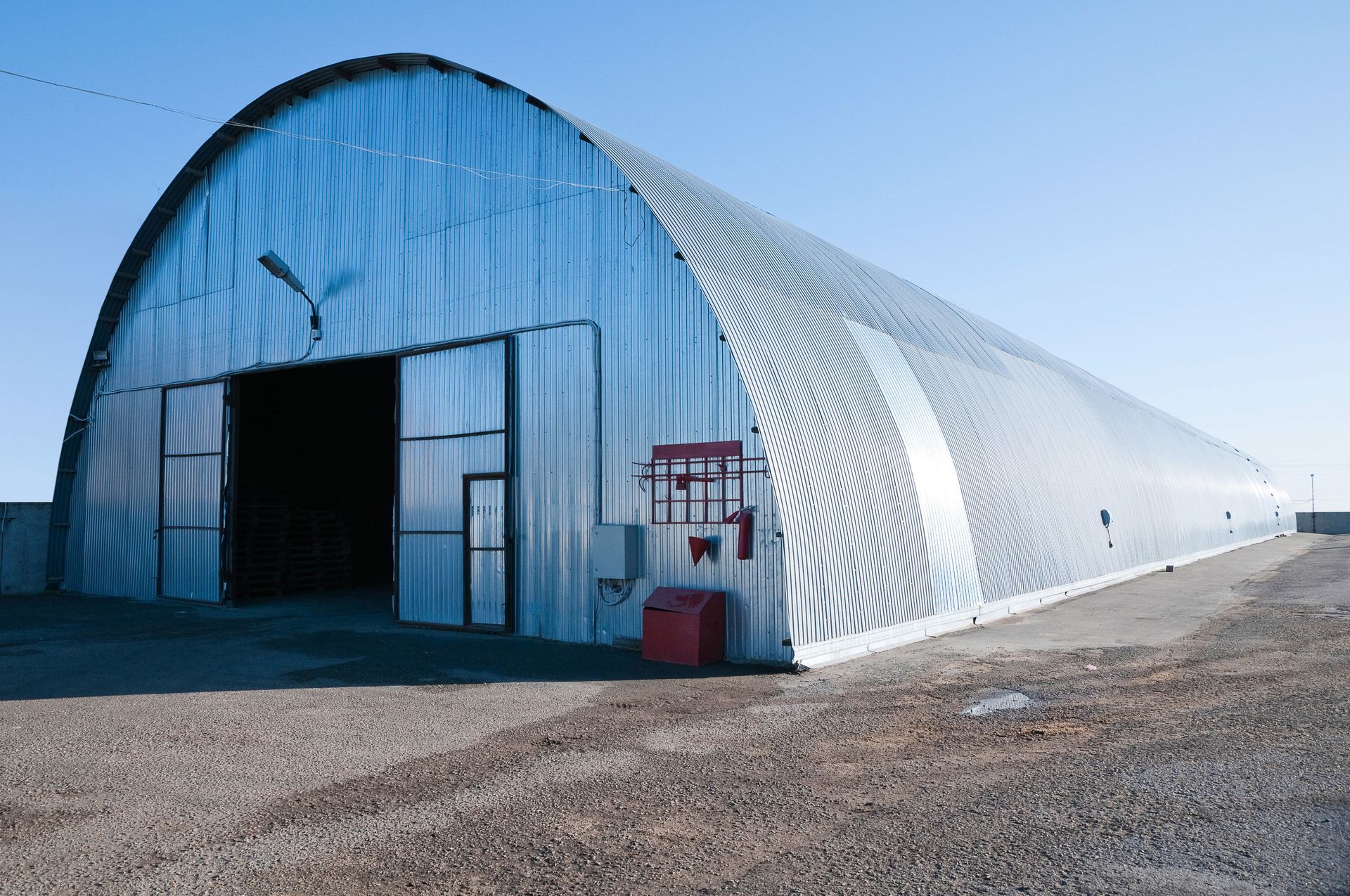
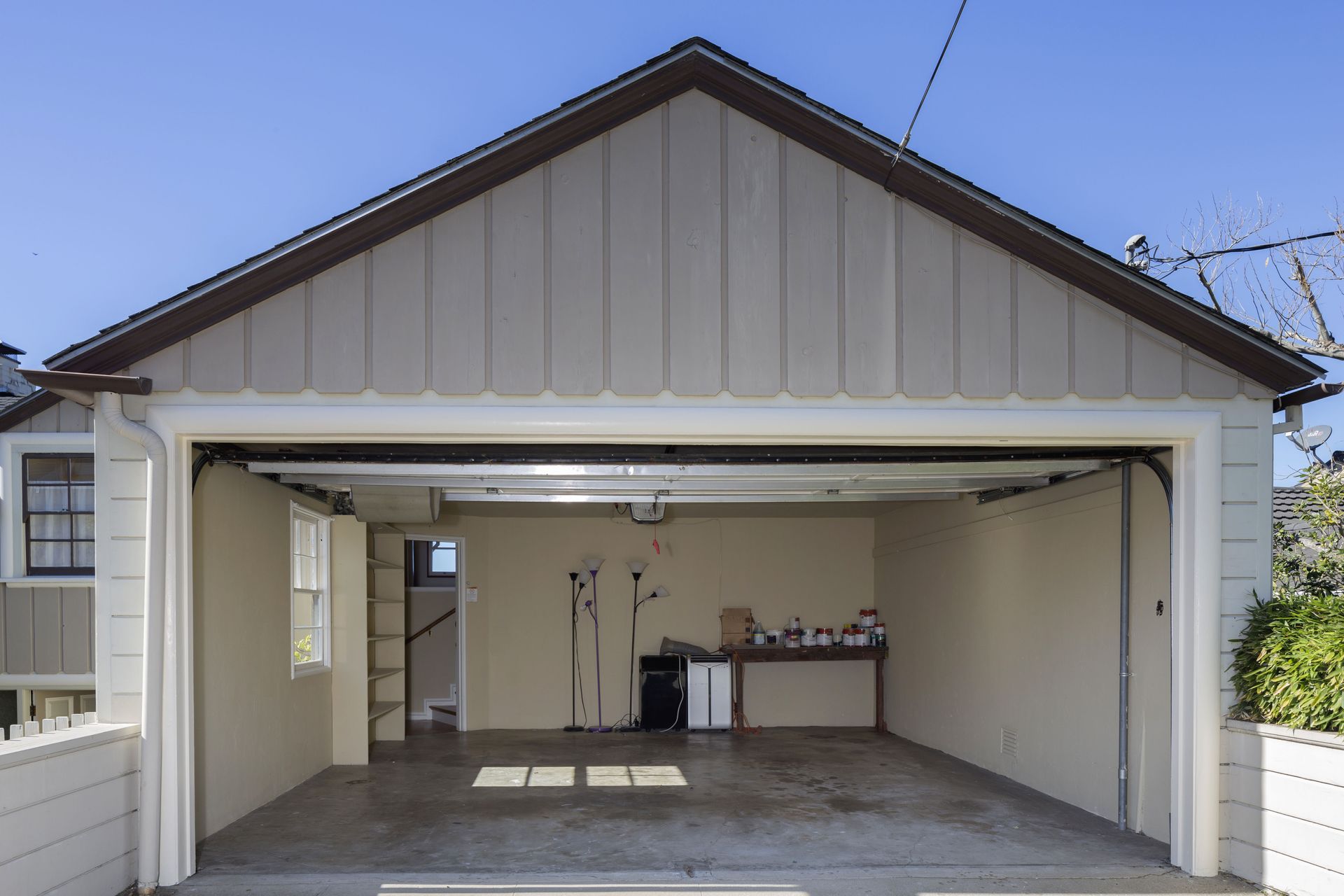
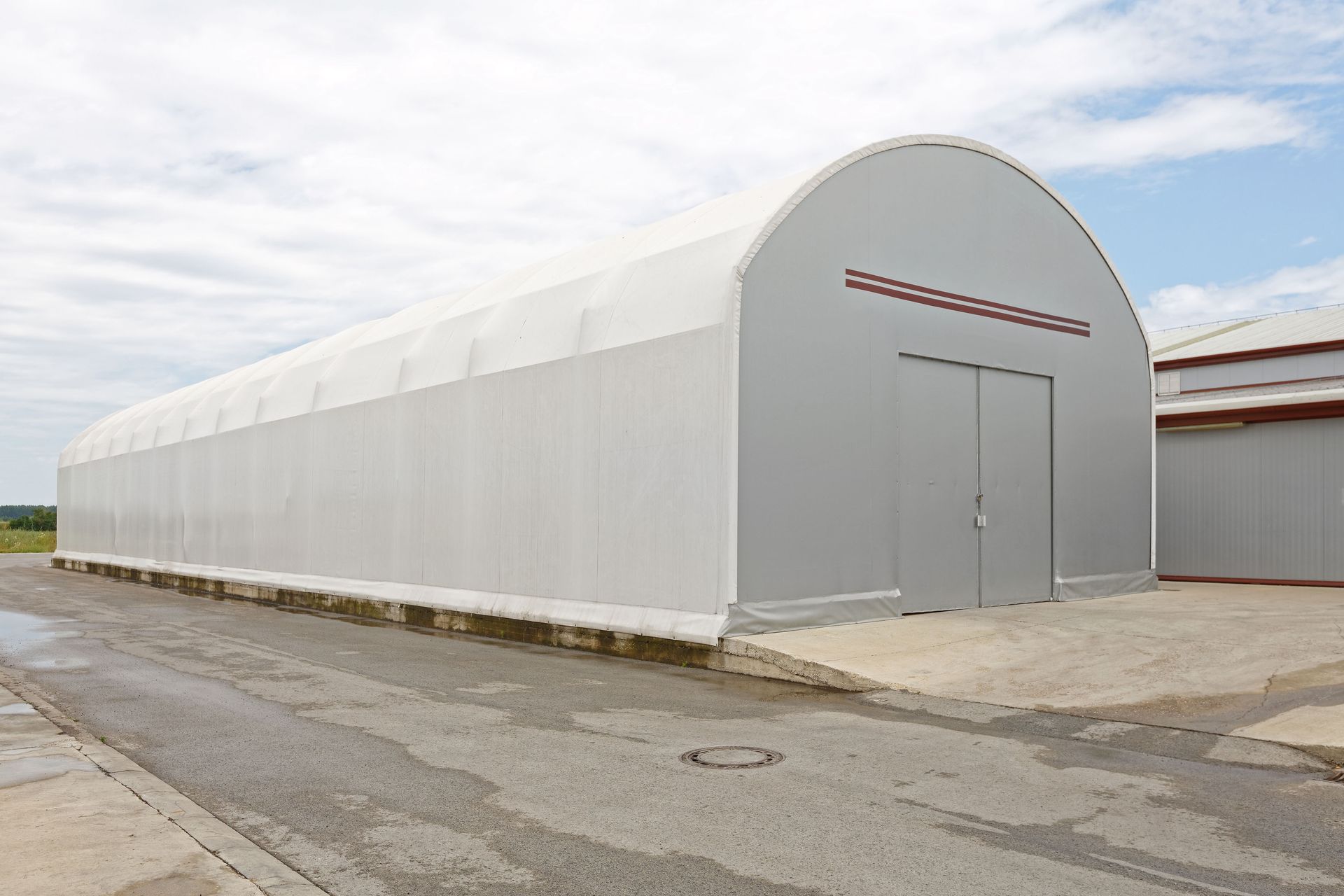
Clear span buildings have transformed the aviation industry by creating large, open interior environments that support a wide range of aviation activities. According to the Federal Aviation Administration, there are 14,336 private airports in the U.S. These structures are especially useful for aircraft storage, maintenance, and operational support because they eliminate internal columns and maximize usable space. This type of building approach continues to support evolving aviation infrastructure needs across a variety of facility types.
Efficient Advantages of Clear Span Buildings in Aviation Operations
Provide Unobstructed Space
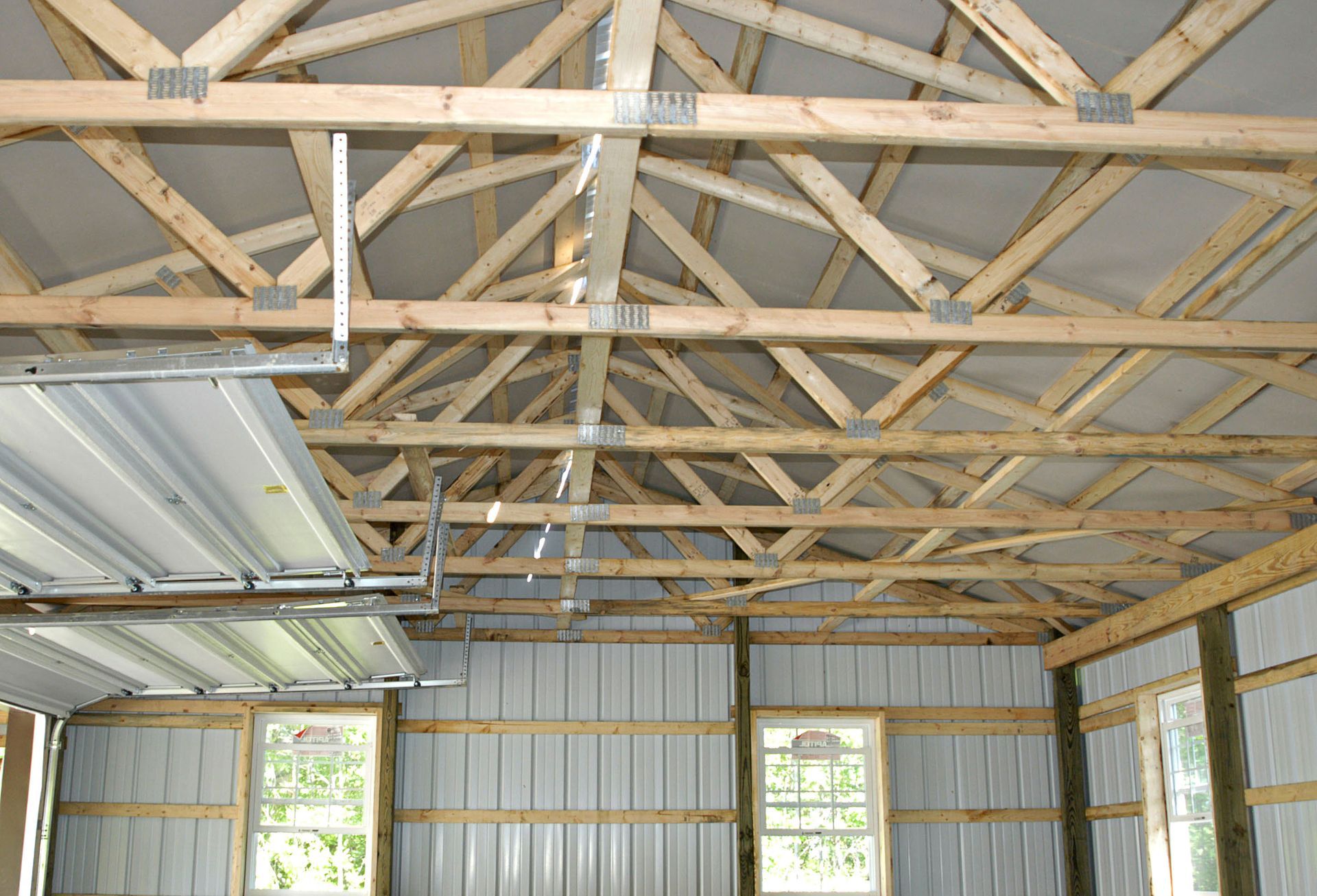
One of the primary benefits of these structures is the ability to create wide, uninterrupted interior spaces. In aviation environments, this allows aircraft of various sizes to be stored, moved, and serviced without obstruction. The open design also supports flexible layouts for maintenance, storage, and operational workflows, which helps adjust to changing demands over time.
Improve Cost Efficiency
These structures can offer cost efficiency through simplified engineering and streamlined construction processes. They can help reduce build time while supporting long-term durability. This combination may also help reduce ongoing maintenance needs over the lifespan of the facility.
Support Design Flexibility
These buildings offer significant flexibility in layout and configuration. Without internal columns, interior spaces can be adapted to suit a variety of aviation uses, including hangars, maintenance areas, and support facilities. This adaptability allows aviation operations to evolve as requirements change.
Start Rapid Construction
These structures are typically engineered beforehand, which allows for faster assembly compared to traditional construction methods. This can be especially valuable in aviation environments where minimizing downtime is important. Faster construction timelines also support the need to bring new facilities online efficiently.
Ensure Durability and Resilience
These structures are designed to provide long-term durability and can be engineered to withstand a range of environmental conditions. Their strength and stability make them suitable for aviation facilities that require dependable infrastructure. This helps support consistent performance in demanding operational environments.
Practical Design of Clear Span Buildings for Modern Aircraft Hangars
Accommodate Large Aircraft
Clear span hangars are well suited for accommodating modern aircraft due to their wide, column-free interiors. This allows operators to house and maneuver aircraft efficiently, regardless of size. The open layout also supports easier movement and access throughout the facility.
Tailor Operational Needs
Hangar designs can be tailored to meet specific operational requirements. This may include accommodating different types of aircraft, supporting maintenance workflows, or allowing space for equipment and personnel movement. Each design can be adjusted to align with the needs of the aviation operation.
Maintain Safety Considerations
Safety is an important factor in aviation facility design. These structures support open layouts that improve visibility and movement within the space. This allows operators to implement safety systems and procedures based on their operational requirements.
Maximize Space Utilization
The column-free design allows for efficient use of interior space. This supports aircraft movement, storage, and maintenance activities within a single open environment. Additional operational areas can also be incorporated as needed.
Integrate Existing Infrastructure
These structures can be designed to work alongside existing airport or aviation infrastructure. They may function as standalone buildings or be incorporated into larger facility layouts. This flexibility supports a wide range of site conditions and operational needs.
Streamlined Role of Clear Span Buildings in Aviation Maintenance Operations
Create Efficient Workflows
The open design supports efficient maintenance workflows by allowing facilities to be organized into functional zones. This helps streamline inspection, repair, and servicing processes for aircraft. It also supports smoother coordination between different operational steps.
Organize Specialized Operational Areas
Maintenance facilities can be arranged into designated areas for different types of work. This improves organization and supports more efficient movement of aircraft and personnel. It also helps reduce unnecessary congestion within the facility.
Support Safety Standards
Open layouts help reduce congestion and improve visibility within maintenance environments. This contributes to safer working conditions and more organized operational flow. It also supports clearer separation of work zones.
Install Supporting Equipment
These buildings can accommodate a wide range of aviation maintenance equipment based on operational needs. The open interior design provides flexibility for installing tools, machinery, and support systems. This helps adapt to different maintenance requirements.
Address Environmental Considerations
Aviation facilities increasingly consider environmental efficiency in their operations. These structures support adaptable layouts that can help optimize energy use and resource planning. This flexibility can support more efficient long-term facility management.
Flexible Use of Clear Span Buildings in Aviation Manufacturing Operations
Optimize Production Layouts
These structures provide open environments that can support aviation manufacturing workflows. The absence of internal columns allows for flexible arrangement of production lines and staging areas. This helps improve workflow organization across manufacturing operations.
Adapt Evolving Production Needs
Manufacturing operations in aviation often change over time. These structures offer flexibility to adjust interior layouts as production requirements shift. This supports long-term adaptability within manufacturing environments.
Support Quality Control Processes
These buildings allow space for structured quality control areas within production environments. This helps support inspection processes and organized workflow management. It also improves coordination between production stages.
Reduce Operational Inefficiencies
Efficient layouts within these structures can help reduce unnecessary movement and improve workflow organization. This supports more streamlined production environments. It also helps improve overall use of available space.
Improve Working Conditions
The open and flexible design can contribute to improved working conditions by allowing better organization of space and equipment. This supports more structured and efficient manufacturing environments. It also helps improve operational clarity.
Scalable Function of Aviation Support and Operational Facilities
Offer Flexible Operational Spaces
These structures are commonly used in aviation for a variety of support functions, including storage, maintenance, and operational staging. Their open design allows facilities to be adapted based on changing operational needs. This makes them suitable for a wide range of aviation applications.
Configure Adaptable Interior Layouts
These structures allow for flexible interior configurations that can support different aviation activities. This makes them suitable for environments where operational requirements may evolve over time. It also supports efficient reconfiguration when needed.
Expand Scalable Facility Design
These buildings can be designed to scale with facility needs, providing additional space for expanding operations or changing aviation support requirements. This scalability supports long-term planning for aviation infrastructure.
Modern Trends of Aviation Structure Design Evolution
Adopt Flexible and Sustainable Construction Approaches
Aviation infrastructure continues to evolve toward more adaptable and efficient building solutions. These structures support this shift by offering flexible designs that can be adapted for a variety of operational uses over time. This helps support long-term facility planning.
Apply Material and Engineering Improvements
Advances in building materials and engineering techniques continue to improve the performance and efficiency of these structures. These improvements support stronger and more adaptable aviation facilities. They also contribute to long-term structural performance.
Maintain Long-Term Operational Adaptability
One of the key advantages is the ability to remain useful as operational needs change. The open design allows aviation facilities to reconfigure interior layouts without major structural changes. This supports long-term operational flexibility.
Clear span buildings play a key role in modern aviation by delivering flexible, durable, and efficient spaces for hangars, maintenance areas, and other operational facilities. Our open interiors help aviation operators make the most of available space while maintaining the adaptability needed for evolving requirements. To learn more about engineered clear span building solutions for aviation infrastructure, Structures Unlimited LLC offers design, engineering, and installation services tailored to these specialized structural systems.