January 15, 2026
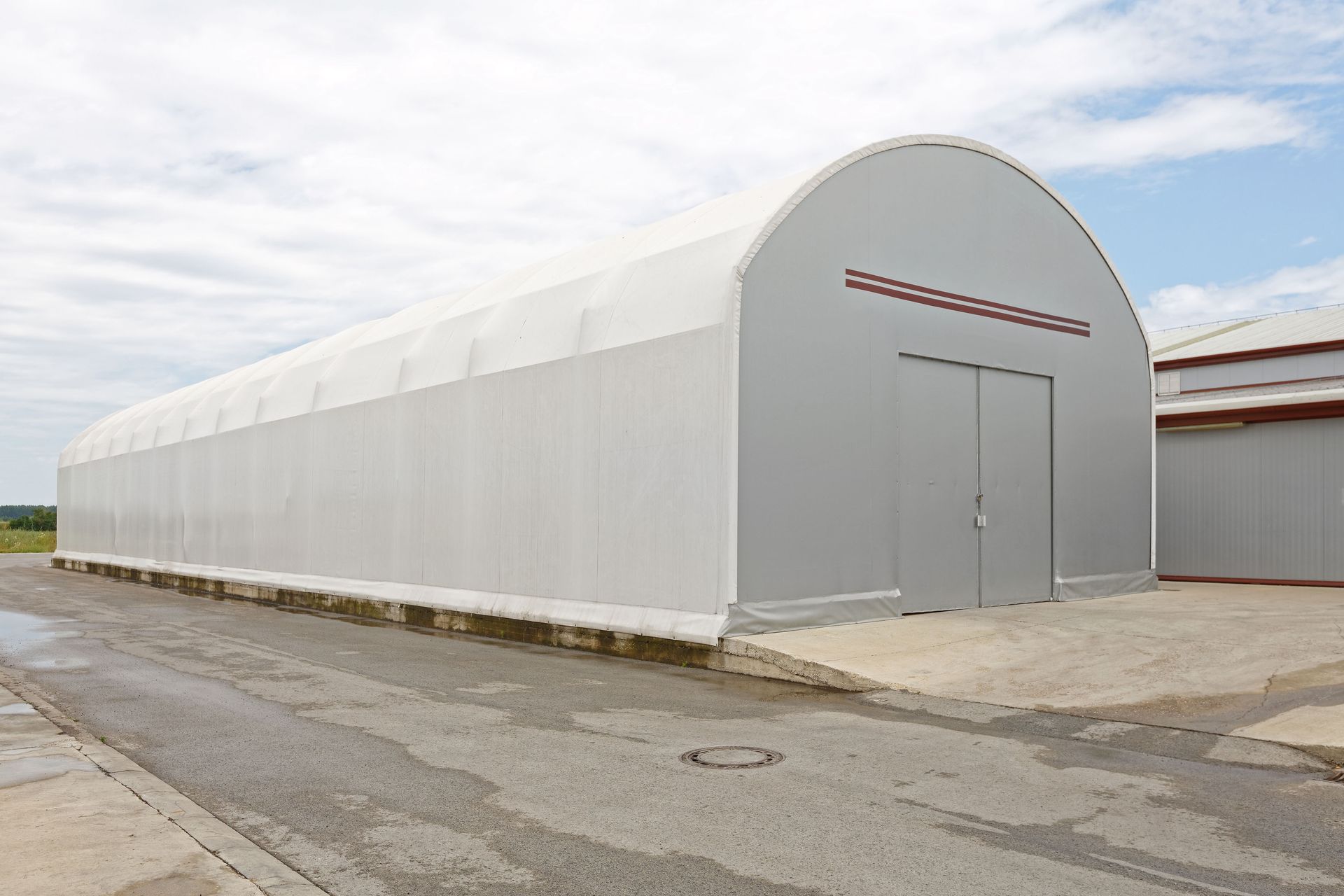
In the evolving landscape of industrial and commercial construction, the demand for high-performance, adaptable, and economically viable space has led to the rise of fabric buildings. These engineered structures offer a sophisticated alternative to traditional wood or steel-clad projects, combining heavy-duty frames with high-tension architectural membranes. For organizations looking to expand operational capacity without the lengthy timelines and massive overhead of conventional masonry, fabric buildings represent a forward-thinking solution.
Strength of Modern Fabric Structures
The foundation of reliable fabric buildings lies in the structural integrity of their skeletons. Typically constructed from high-quality galvanized steel, the frames are engineered to withstand significant wind loads and snow accumulation. This skeletal strength allows the structure to maintain its shape and stability over decades of use. Unlike temporary tents, permanent fabric buildings are anchored into the ground using professional foundation systems such as concrete piers or helio anchors. This engineering ensures the building remains a permanent fixture of the landscape, capable of protecting valuable equipment from harsh outdoor conditions.
Rapid Deployment and Operational Efficiency
Time is often a critical factor in expansion, and fabric buildings excel in providing rapid turnaround times. While a traditional steel or brick building can take months to move from planning to completion, these membrane-covered structures are erected in a fraction of that time. This speed results from the modular nature of the components, where professional crews assemble the frame and pull the fabric into place with remarkable efficiency. This accelerated timeline reduces disruption to daily business activities and ensures a return on investment is realized much sooner. For many industries, the ability to have a fully functional warehouse or workspace ready in a matter of weeks provides a decisive competitive advantage in a fluctuating marketplace.
Natural Lighting and Energy Savings
One of the most praised features of fabric buildings is the translucent nature of the architectural membrane. During daylight hours, the fabric allows sunlight to permeate the interior, creating a bright workspace without the need for artificial lighting. This translucency eliminates dark corners and shadows, enhancing safety for workers operating heavy machinery. From an economic standpoint, the reduction in electricity consumption for daytime lighting leads to substantial long-term savings on utility bills. Furthermore, the light diffused through the fabric is soft and even, reducing glare and creating a more comfortable environment for occupants. This focus on natural light is not only a boost for productivity but also aligns with modern sustainability goals by lowering the overall carbon footprint of the facility.
Superior Airflow and Moisture Management
Maintaining a healthy interior environment requires a deep understanding of how air and water interact with a structure. According to the U.S. Department of Energy, airflow accounts for over 98% of moisture movement in a building. This fact highlights the importance of the ventilation systems integrated into professional fabric buildings. Because these structures often feature high ceilings and clear-span designs, they naturally promote better air circulation than cramped traditional buildings. When coupled with ridge vents and mechanical louvers, the airflow is managed to prevent the stagnant pockets of air that lead to condensation and mold growth. This superior moisture management is particularly important in agricultural or bulk storage applications where the integrity of the stored material depends on a dry, well-ventilated atmosphere.
Cost Effectiveness Over the Building Life Cycle
When evaluating construction options, true value is found in the total cost of ownership. Fabric buildings are cost-effective because they require fewer materials and less labor to install than masonry or heavy steel buildings. Beyond the initial savings, the maintenance requirements for these structures are remarkably low. The high-tension fabric is resistant to rust, corrosion, and rot, which are common issues in traditional buildings. There is no need for repainting, and the smooth surface of the membrane often sheds snow and debris naturally. These long-term operational savings, combined with the lower cost of the initial build, make these structures a top choice for organizations that refuse to compromise on durability or professional appearance.
Clear Span Design for Maximum Usability
Internal support columns can be a significant hindrance in a warehouse, often dictating where equipment can be placed. Fabric buildings solve this problem by offering clear-span designs that provide a completely open interior space. Without the need for center pillars, every square inch of the floor remains usable. This allows for total flexibility in layout, whether you are stacking pallets, maneuvering forklifts, or setting up a full-scale indoor sports field. The height of these structures also provides ample clearance for large trucks and cranes, making them ideal for logistics and heavy industrial use.
Resistance to Corrosion and Harsh Environments
In industries such as chemical processing or fertilizer storage, corrosion is a constant threat to structural integrity. Traditional metal buildings often succumb to the corrosive effects of salt and chemicals, requiring expensive coatings. Fabric buildings are inherently better suited for these environments because the architectural membrane is non-corrosive. When the steel frame is hot-dip galvanized, it provides a secondary layer of protection that stands up to aggressive elements. This resistance to chemical degradation ensures the building remains safe and functional in environments that would destroy a standard building within years.
Versatility Across Multiple Industries
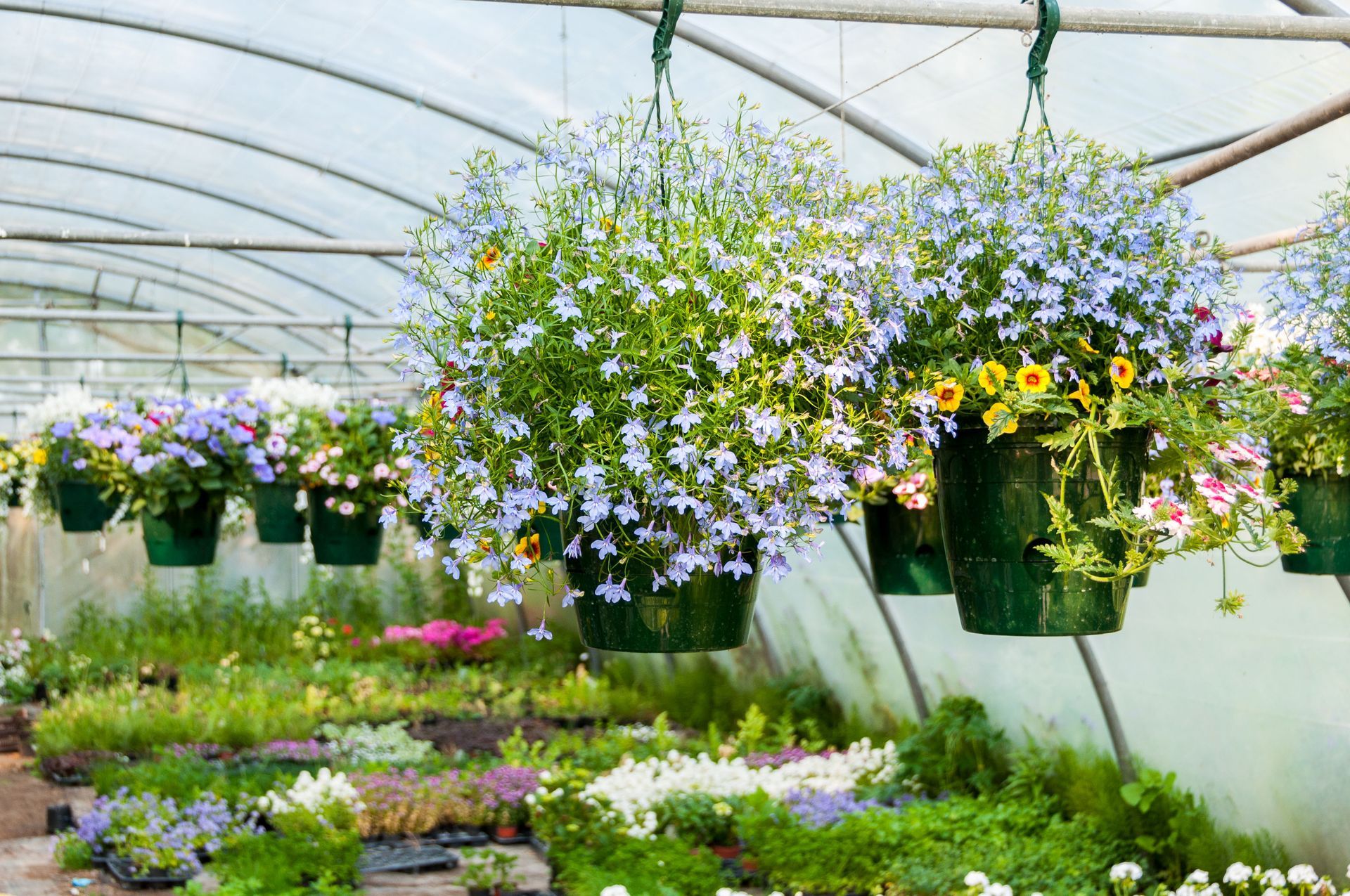
The adaptability of fabric buildings makes them suitable for an incredible variety of applications. In the agricultural sector, they are used for livestock housing and hay storage; in the industrial sector, they serve as aircraft hangars and remediation enclosures. The aesthetic versatility also allows them to be used for public events and retail garden centers. Because the fabric can be manufactured in different colors and opacities, the building can be tailored to fit specific branding or environmental requirements. This versatility is supported by the fact that the structures can often be expanded or even relocated if business needs change, offering a level of future-proofing that is rarely found in traditional construction.
Acoustic Benefits and Thermal Comfort
Inside a traditional metal building, noise can become overwhelming as sound reflects off hard surfaces. Fabric buildings offer a significant acoustic advantage because the membrane tends to absorb sound rather than bounce it back. This results in a much quieter interior, which is beneficial for worker concentration and the comfort of animals. Additionally, the thermal properties of the fabric help moderate interior temperatures. The material acts as a barrier that keeps the space cooler in the summer and holds heat better in the winter compared to uninsulated metal sheets.
Compliance with Rigorous Safety Standards
Safety is the most important consideration in the construction of any large-scale facility. High-quality fabric buildings are manufactured to meet or exceed local building codes regarding fire safety, wind resistance, and seismic activity. The fabrics used are often treated with flame-retardant chemicals that satisfy strict safety regulations, and the engineering behind the tensioning systems ensures the membrane remains secure even during extreme weather events. Professional manufacturers provide comprehensive engineering packages that detail load-bearing capacities, giving owners peace of mind that their facility is built to protect human life.
The modern era of construction demands solutions that are as flexible as they are durable. Fabric buildings have proven to be a reliable and efficient answer to the challenges of modern space requirements, offering a professional alternative to outdated building methods. From the significant energy savings provided by natural lighting to the incredible durability of galvanized steel frames, these structures are built to perform in the long term.
Is your business ready for a smarter space solution? Contact Structures Unlimited LLC today to learn more about how our professional structures can meet your specific needs.