January 15, 2026
Modern construction continues to evolve as industries seek faster, more adaptable, and cost-effective ways to create usable space. A fabric building has emerged as a powerful alternative to traditional construction by offering strength, flexibility, and speed without sacrificing durability. These structures are now used across agriculture, manufacturing, aviation, and commercial sectors for both temporary and permanent needs, providing scalable solutions that can be tailored to changing operational demands and long-term growth plans.
Understanding the Core Concept of Fabric Structures
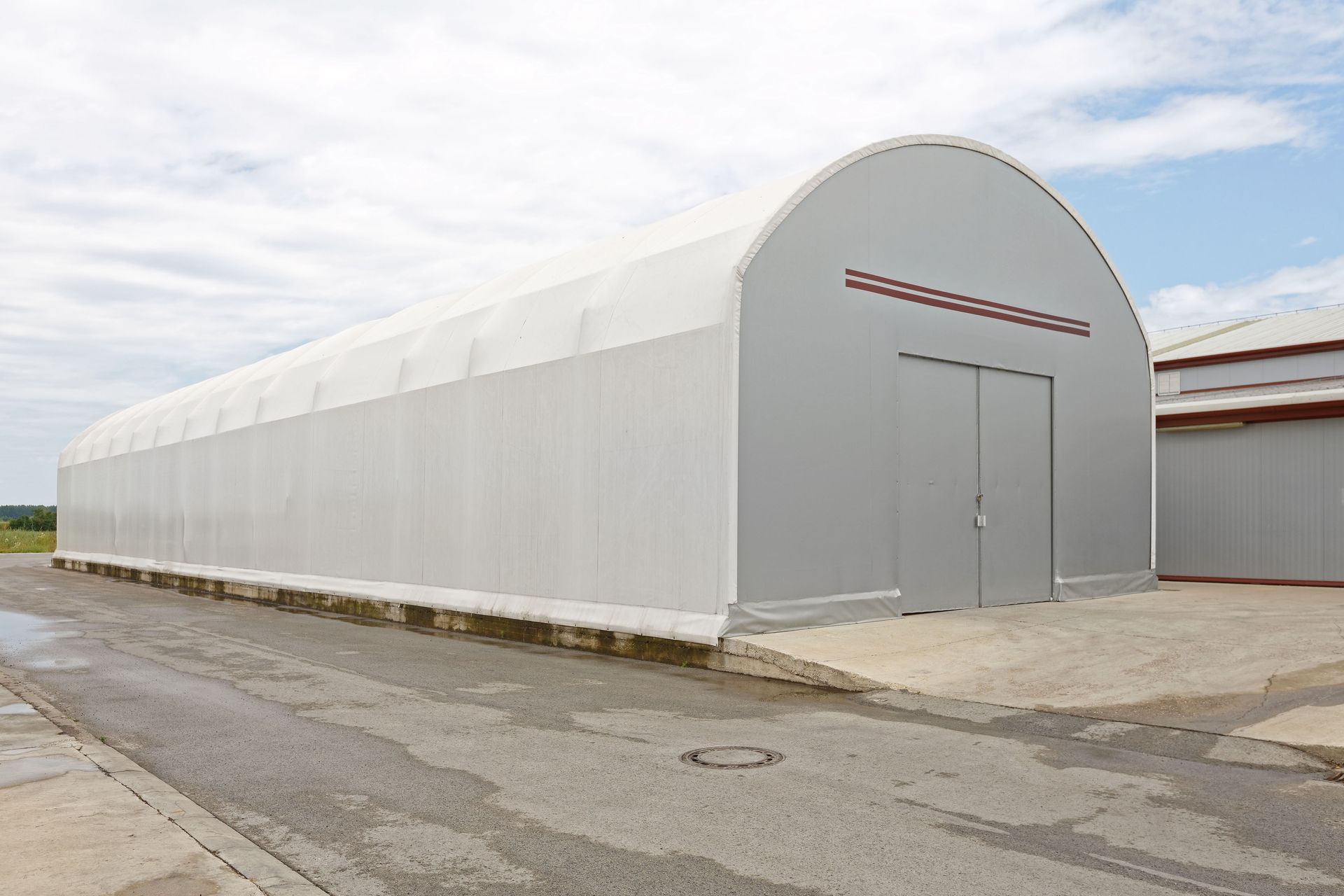
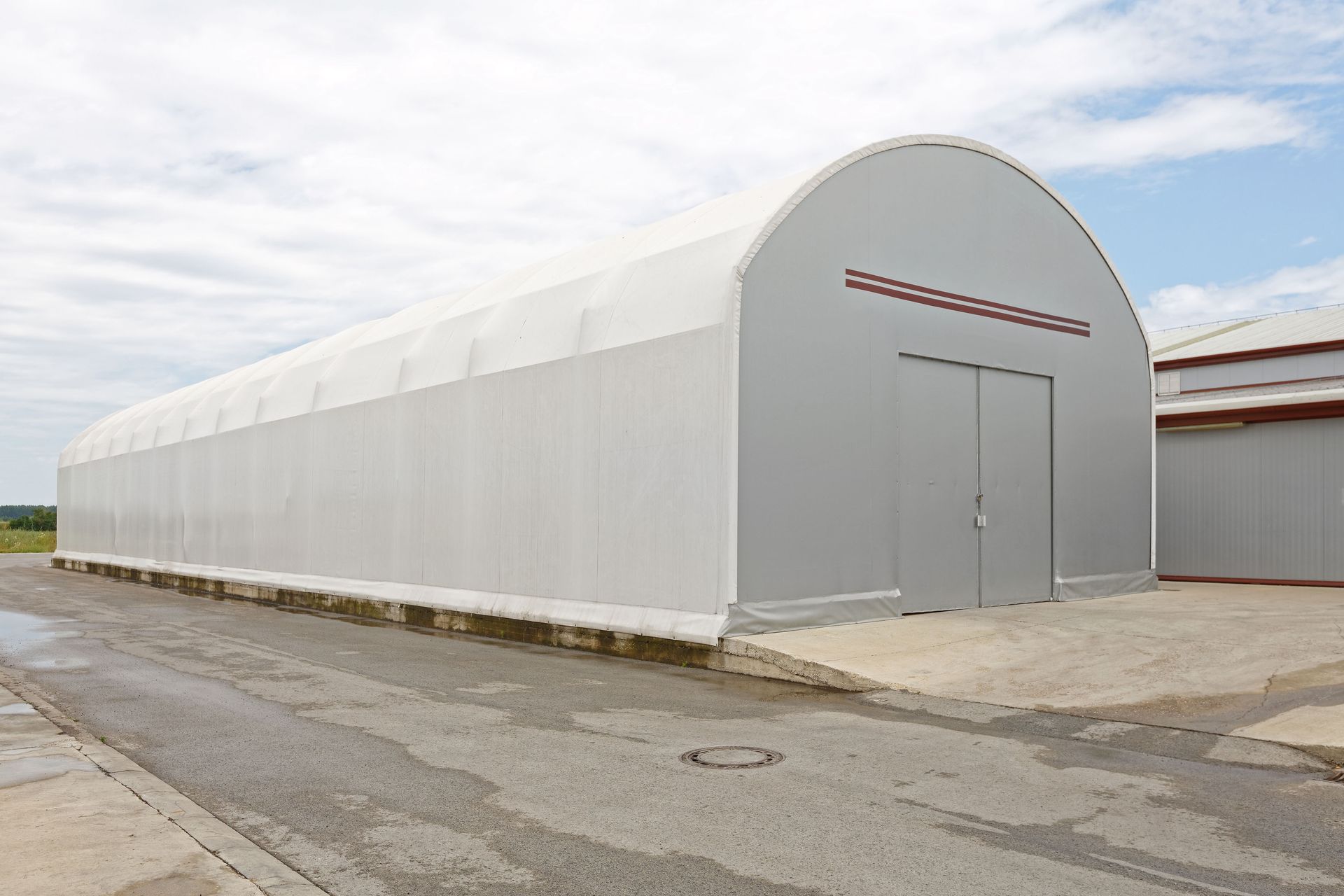
At its foundation, a fabric building is an engineered structure that combines a rigid steel or aluminum frame with a high-performance fabric membrane. Unlike conventional buildings that rely heavily on rigid walls and roofs, these systems use tensioned fabric to create a stable, enclosed environment. This design allows for large clear spans without interior columns, maximizing usable interior space and improving workflow efficiency for equipment, vehicles, or storage operations.
The fabric membranes are typically made from polyethylene or PVC-coated materials designed to withstand UV exposure, moisture, and temperature fluctuations. These materials are engineered to resist tearing, stretching, and degradation over time, even in harsh climates. When paired with a properly engineered frame, the result is a structure that performs reliably in demanding conditions while remaining lightweight compared to traditional materials, offering both structural integrity and long-term adaptability.
Exploring Speed and Efficiency of Installation
One of the most significant advantages of choosing a fabric building is the speed at which it can be installed. Construction timelines are often compressed from months to weeks, or even days, depending on project size. This efficiency reduces labor costs and minimizes disruption to operations, making these structures particularly appealing for businesses that need space quickly. Faster installation also means projects can move forward without lengthy permitting delays or extended site preparation, allowing facilities to become functional sooner.
This advantage is supported by measurable data. According to Engineering.com, fabric buildings can be installed in just 0.01 to 0.03 man-hours per square foot compared to typical steel sheeting systems, making deployment significantly faster. This dramatic reduction in installation time allows organizations to respond rapidly to growth, seasonal demand, or emergency storage needs. In fast-paced industries, this speed translates into improved operational agility, quicker return on investment, and the ability to adapt without sacrificing productivity.
Examining Durability and Structural Performance
Despite their lightweight appearance, fabric structures are engineered for strength and long-term performance. Modern membranes are designed to handle heavy snow loads, high winds, and intense sunlight without compromising structural integrity. The tensioned fabric works in combination with the frame to distribute loads evenly across the entire structure, reducing localized stress points that can lead to fatigue or failure. This integrated load-sharing system allows fabric structures to meet or exceed many regional building codes and engineering standards, providing confidence in both safety and reliability across varied climates.
A well-designed fabric building also offers excellent resistance to corrosion. Unlike traditional steel panels that may rust, flake, or degrade over time, fabric membranes do not corrode and are highly resistant to moisture, chemicals, and airborne contaminants. This durability makes them especially valuable in coastal, agricultural, or industrial environments where exposure to salt, fertilizers, or corrosive substances is common. Reduced corrosion translates into lower maintenance requirements, fewer costly repairs, longer service life, and more predictable ownership costs over time.
Evaluating Design Flexibility and Customization
Flexibility is another defining characteristic of these structures, making them suitable for a wide range of industries and applications. Fabric systems can be customized in width, length, height, and door configurations to meet specific operational needs, whether accommodating large equipment, vehicle access, or workflow efficiency. Options such as translucent fabric panels allow natural light to enter the space, reducing daytime lighting costs and improving working conditions while creating a more comfortable and productive environment for employees.
Because of this adaptability, a fabric building can be designed for a wide range of uses without extensive redesign or structural modification. From open-ended storage shelters to fully enclosed, climate-controlled facilities, these structures can evolve alongside changing business requirements. Additional features such as ventilation systems, insulation, liners, or modular expansions allow owners to modify the building as needs grow, ensuring long-term usability and reducing the need for costly replacements.
Analyzing Industry Applications and Use Cases
The versatility of fabric structures has led to widespread adoption across industries. Agricultural operations use them for equipment storage, livestock housing, and crop protection. Manufacturing and logistics companies rely on them for warehousing, assembly areas, and overflow inventory space.
A fabric building is also increasingly common in aviation, mining, and municipal applications. Aircraft hangars, salt storage facilities, and emergency response shelters all benefit from the clear spans and rapid deployment these structures provide. Their ability to function as either temporary or permanent solutions adds to their appeal.
Comparing Cost Efficiency and Long-Term Value
From an investment standpoint, fabric structures often deliver a strong return. Lower material and labor costs reduce initial expenditures, while faster installation means facilities become operational sooner. These savings can be especially important for growing businesses or organizations managing tight capital budgets.
Over time, a fabric building may also offer reduced maintenance expenses. The durable membrane and corrosion-resistant design help extend service life, while energy-efficient features such as natural light diffusion can lower ongoing utility costs. When evaluated across the full lifecycle, these structures frequently compete favorably with traditional construction.
Considering Sustainability and Environmental Impact
Sustainability is an increasingly important factor in construction decisions. Fabric structures use fewer raw materials than conventional buildings, which can reduce their overall environmental footprint. Their lightweight components also require less energy to transport and assemble.
Additionally, the reflective and translucent properties of many fabric membranes contribute to improved energy efficiency. A fabric building can reduce the need for artificial lighting during daylight hours and help maintain more consistent interior temperatures, supporting environmentally responsible operations.
Understanding Longevity and Maintenance Requirements
Modern fabric membranes are designed for long service lives, often lasting decades when properly maintained. Routine inspections and basic cleaning typically suffice to keep the structure performing as intended. This simplicity appeals to organizations seeking predictable maintenance schedules and minimal downtime.
Because components are modular, repairs or replacements can often be completed without dismantling the entire structure. This practical approach further enhances the appeal of a fabric building as a long-term solution rather than a short-term fix.
Assessing Future Trends in Fabric Construction
As engineering and material science continue to advance, fabric structures are expected to become even more capable. Improved coatings, stronger membranes, and smarter design software are expanding what these buildings can achieve. This innovation is driving broader acceptance across industries that once relied exclusively on traditional construction.
The ability to adapt quickly to changing needs positions fabric structures as a forward-looking choice. Organizations seeking scalable, resilient space solutions are increasingly viewing them as a strategic asset rather than an alternative option.
Fabric structures represent a modern approach to construction that prioritizes speed, adaptability, and durability. By combining engineered frames with advanced membranes, these buildings deliver reliable performance across a wide range of applications. For organizations seeking flexible and efficient space solutions, fabric construction continues to stand out as a practical and innovative choice. If you are looking for a fabric building contracting service to help you, contact Structures Unlimited LLC today to learn more and get started!