March 16, 2026
In many industries, storage space and operational flexibility can make or break productivity. Businesses today often need structures that can be installed quickly, adapted easily, and maintained affordably. This growing demand has led many organizations to explore alternative building methods that provide durability without the high cost and long construction timelines associated with traditional facilities. Among the most practical solutions available today are hoop buildings, which have become widely used for storage, operations, and equipment protection across a variety of sectors.
From agriculture and manufacturing to aviation and municipal services, modern fabric-covered hoop buildings offer expansive interior space and dependable protection from weather and environmental conditions. Their arch-style design allows them to handle heavy snow loads, wind exposure, and temperature fluctuations while maintaining a large clear span inside. Because of these advantages, businesses looking for cost-effective infrastructure are increasingly turning to these flexible structures to support their operations.
Understand the Structure and Function of Hoop Buildings
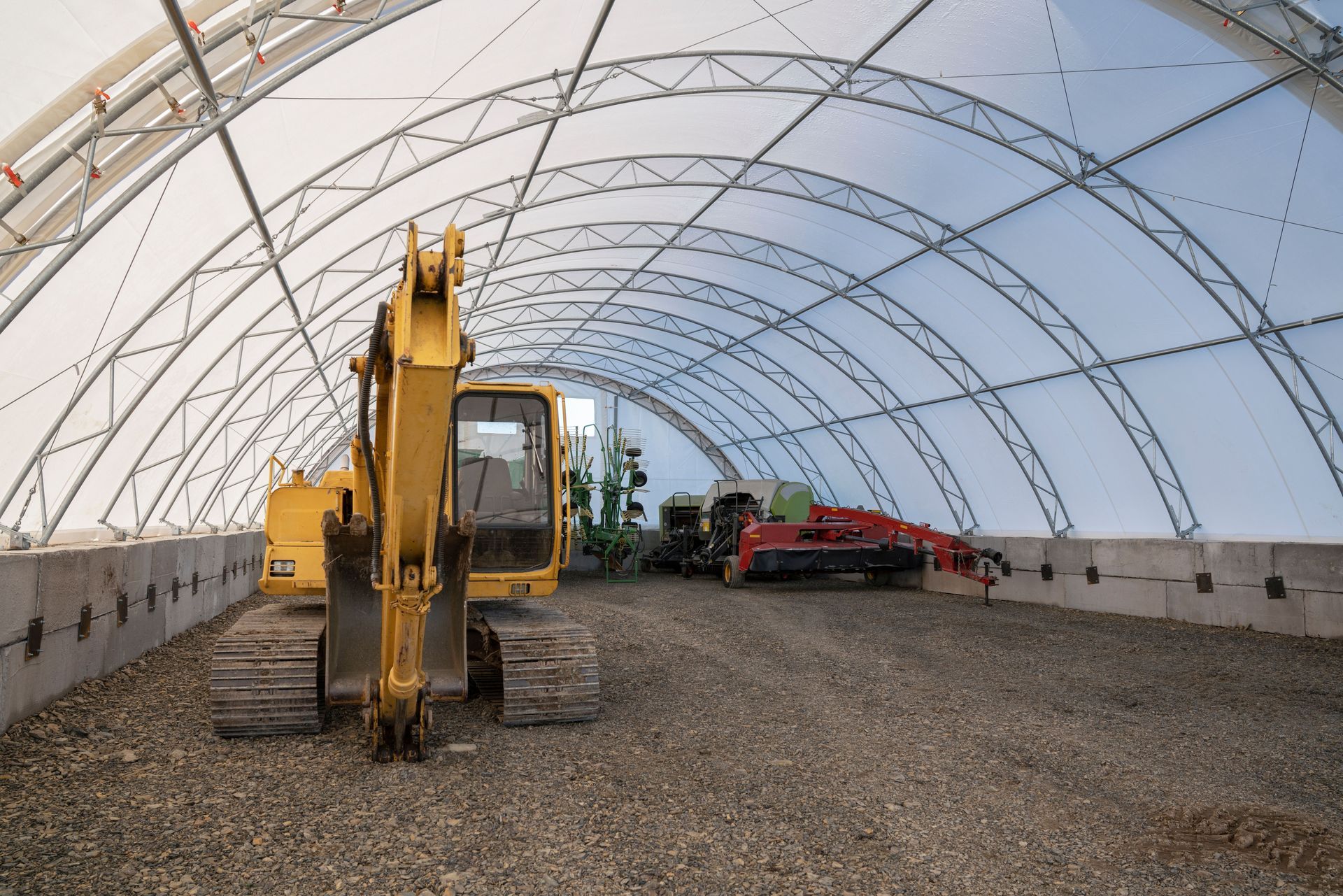
At their core, hoop buildings are arch-shaped structures typically built using steel frames and durable fabric covers. The curved framework creates a large interior space without the need for interior support columns, which makes the layout highly efficient for storage, equipment housing, or operational use. This open design allows vehicles, machinery, and bulk materials to be stored without obstruction. The fabric covering used in these structures is engineered to withstand environmental exposure while still allowing natural light to filter through. This improves interior visibility and reduces the need for artificial lighting during daylight hours. Because hoop buildings rely on modular construction methods, installation can often be completed much faster than conventional buildings.
Identify the Key Design Advantages
One of the most recognizable features of hoop buildings is their curved roof design. This shape helps distribute weight evenly across the structure while reducing wind resistance. It also allows snow to slide off naturally rather than accumulating on flat surfaces, which helps protect the building during winter conditions. Another advantage is the translucent nature of the fabric covering. Additionally, these buildings are designed with adaptability in mind. Expansions, extensions, or layout adjustments can often be completed with minimal disruption, making them a practical option for organizations that anticipate future growth.
Discover Common Applications Across Industries
The versatility of hoop buildings allows them to serve a wide range of industries. In agriculture, they are commonly used for livestock housing, equipment storage, and crop protection. Their ventilation capabilities and spacious interiors help create suitable environments for farming operations. Industrial operations also benefit from these structures. According to London Loves Business, fabric buildings are increasingly used in sectors like energy and waste management, offering cost-effective, large-span enclosures that resist odors, moisture, and chemical exposure. This durability makes them ideal for storing materials that require protection from environmental factors. Beyond these sectors, businesses use these structures for aviation hangars, equine riding arenas, athletic facilities, banquet spaces, and industrial enclosures.
Compare Hoop Buildings With Traditional Construction
Traditional construction projects often involve long timelines, complex permitting processes, and high labor costs. Hoop buildings provide an alternative that allows companies to create usable space much faster. Their simplified structural design requires fewer materials and less labor to assemble, which helps reduce project costs. Customization is another area where these structures stand out. Adjustments to width, length, and height can be made during the design phase to ensure the building fits its intended purpose. Sustainability also plays a role in their growing popularity. Fabric-covered structures often use fewer construction materials than traditional buildings, and their natural lighting capabilities can lower energy consumption over time.
Evaluate the Financial Advantages
For many organizations, the financial benefits of hoop buildings are one of the most compelling reasons to choose them. The initial construction cost is often significantly lower than conventional building projects, allowing businesses to allocate resources toward other operational priorities. Faster installation also contributes to financial efficiency. Companies can begin using the building sooner, which helps reduce downtime and accelerates operational productivity. When space is needed quickly, the speed of installation becomes a major advantage. Lower energy usage and simplified maintenance requirements further strengthen the long-term value of these structures.
Consider Maintenance and Long-Term Durability
Durability is a critical factor for any building used in demanding environments. Hoop buildings are designed with high-strength steel frames and engineered fabric covers that resist weather exposure, moisture, and UV damage. These materials allow the structure to maintain performance even in challenging conditions. Maintenance requirements are typically minimal compared to traditional facilities. The curved roof design naturally sheds rain and snow, which reduces structural stress and minimizes the risk of water damage. Routine inspections and occasional fabric maintenance are usually sufficient to keep the structure in excellent condition. Over time, these durability benefits translate into long-term cost savings. Businesses can rely on the structure for dependable protection without facing frequent repair or renovation expenses.
Examine Frame Materials and Fabric Options
The performance of a fabric-covered structure depends heavily on the materials used in its construction. Steel framing is commonly selected for its strength and load-bearing capacity. It provides a stable foundation capable of supporting large structures used for industrial, agricultural, or municipal purposes. The fabric covering is typically made from high-density polyethylene or PVC materials designed to withstand weather exposure. These fabrics are engineered to resist tearing, fading, and environmental degradation while maintaining flexibility under temperature changes. Color, translucency, and insulation options can also be customized to suit operational requirements. Some facilities prioritize natural lighting, while others require specialized coverings designed to regulate interior temperature.
Customize Hoop Buildings for Specialized Needs
Customization is one of the defining advantages of hoop buildings. Businesses can incorporate features such as large equipment doors, ventilation systems, insulation layers, and internal partitions. These additions allow the structure to support specialized operations without sacrificing flexibility. Industrial operations may require high-clearance doors for heavy equipment access, while agricultural users may prioritize ventilation and temperature control. Athletic or equine facilities may incorporate open sidewalls or extended roof heights to accommodate large interior spaces. Because the design process is highly adaptable, organizations can develop a building that aligns with their operational workflow. This level of customization helps maximize efficiency and usability over the building’s lifespan.
Prepare the Site and Installation Process
Successful installation begins with proper site preparation. Evaluating soil conditions, drainage patterns, and accessibility helps ensure the structure performs reliably once installed. A stable foundation and secure anchoring system are essential for maintaining structural stability. Ground preparation typically involves grading the surface, improving drainage, and installing anchors that secure the building frame. These steps help protect the structure from shifting or environmental stress. Once preparation is complete, the modular components can be assembled efficiently. Many installations are completed far faster than traditional construction projects, allowing organizations to begin using the facility quickly.
Flexible, durable, and cost-efficient building solutions are increasingly important as businesses adapt to evolving operational demands. Fabric-covered structures offer a practical way to create large, open interior spaces while minimizing construction time and long-term maintenance costs. Their adaptability allows them to serve industries ranging from agriculture and aviation to industrial operations and municipal services.
For organizations seeking dependable infrastructure without the high costs of traditional construction,
hoop buildings provide a versatile and reliable option. If your operation needs additional storage, equipment protection, or specialized facility space, the team at Structures Unlimited LLC can help design a solution that fits your needs. Contact them today to request a free project estimate and learn how a custom fabric-covered structure can support your long-term operational goals.