April 13, 2026
Industrial environments demand durable, adaptable, and cost-effective solutions to protect equipment, materials, and personnel. From construction sites to agricultural operations and aviation facilities, exposure to weather, debris, and fluctuating conditions can lead to costly damage and operational delays. This is where coverall buildings offer a practical and efficient solution.
Designed for versatility and resilience, coverall buildings provide reliable protection across a wide range of industries. Their flexible structure, combined with strong materials, allows businesses to create covered spaces quickly without sacrificing durability. Whether used for storage, workspace, or equipment housing, these structures help maintain productivity while safeguarding valuable assets.
Understanding how coverall buildings contribute to industrial protection can help businesses make informed decisions about their infrastructure needs and long-term operational efficiency. This insight allows organizations to plan smarter, reduce risk, and create more resilient operations that can adapt to changing demands.
Enhance Protection From Environmental Elements
One of the primary advantages of coverall buildings is their ability to shield operations from harsh environmental conditions. Rain, wind, snow, and prolonged sun exposure can all take a toll on equipment and materials. Without proper protection, these elements can lead to deterioration, corrosion, and reduced lifespan of essential assets.
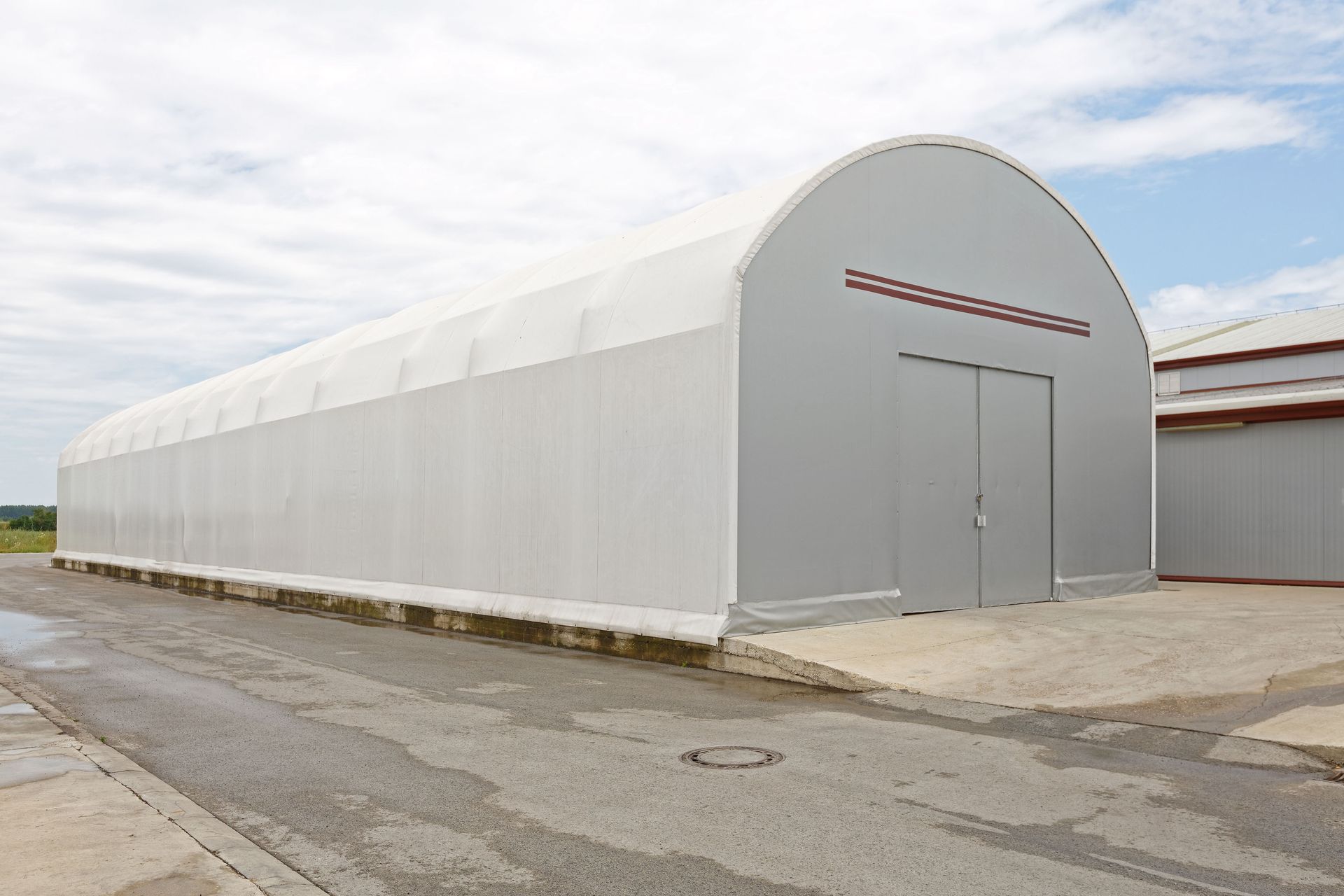
Coverall buildings are designed with durable fabric covers and sturdy frames that create a reliable barrier against these conditions. The tensioned fabric helps prevent water accumulation, while the structure itself withstands strong winds and changing weather patterns.
This level of protection is especially valuable for industries that rely on outdoor operations. By minimizing exposure to the elements, businesses can reduce maintenance costs and ensure that materials remain in optimal condition. As a result, operations continue without unnecessary interruptions caused by weather-related damage.
Improve Operational Flexibility Across Industries
Flexibility is a key factor in modern industrial operations. Businesses often need structures that can adapt to changing demands, whether that means expanding storage capacity, creating temporary workspaces, or supporting seasonal activities. Coverall buildings offer a versatile solution that can be customized to meet these evolving needs.
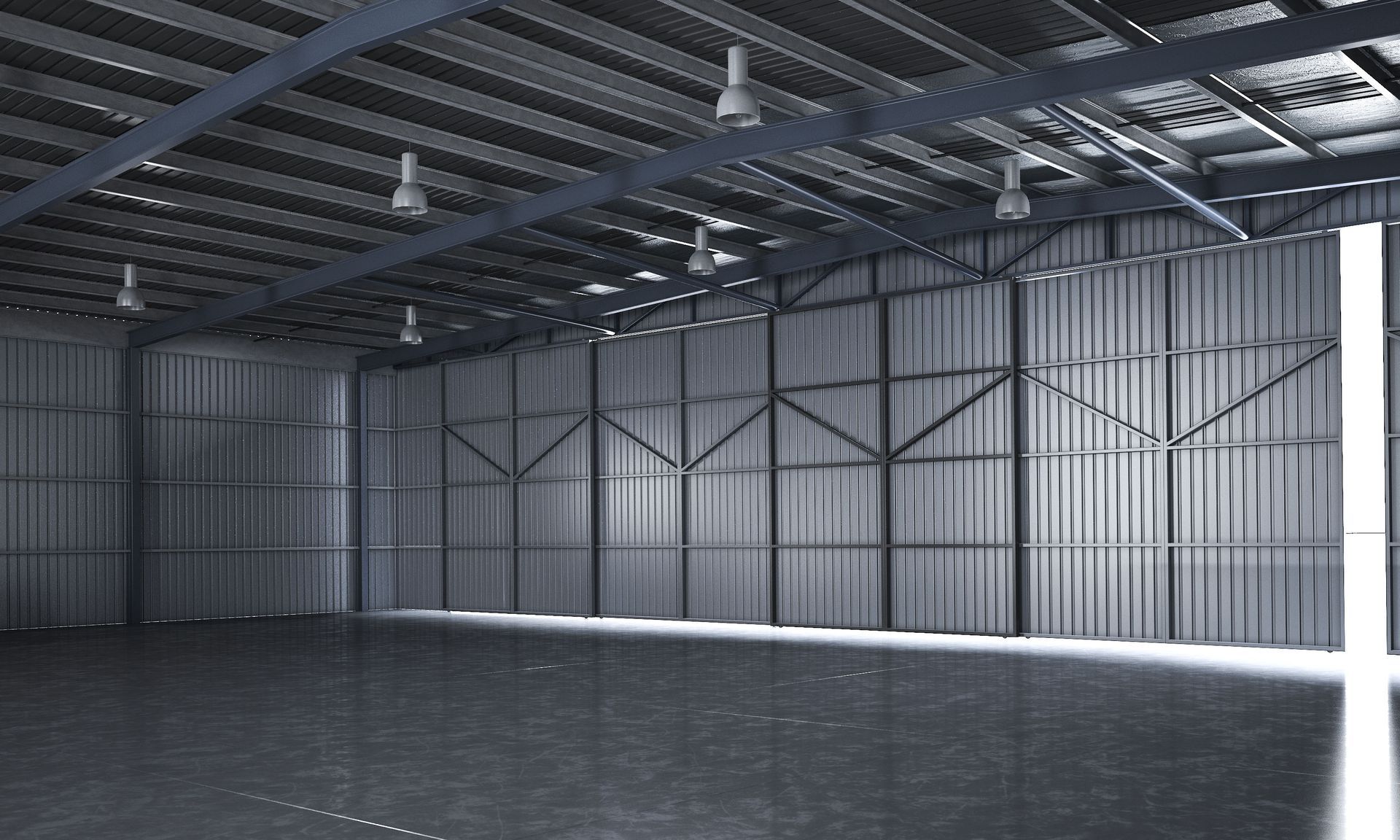
Unlike traditional construction, these structures can be installed quickly and modified as requirements change. This makes them ideal for industries such as construction, agriculture, manufacturing, and aviation. In aviation, for example, protective structures are essential for safeguarding aircraft and equipment. According to the Federal Aviation Administration, there are 14,336 private airports in the U.S. This highlights the widespread need for flexible and reliable shelter solutions across diverse locations.
By choosing coverall buildings, businesses can respond more effectively to shifting operational demands without the delays associated with permanent construction projects.
Reduce Long-Term Infrastructure Costs
Cost efficiency is a major consideration for any industrial operation. Traditional buildings often require significant investment, extended construction timelines, and ongoing maintenance expenses. Coverall buildings provide a more economical alternative without compromising on performance.
The streamlined installation process reduces labor costs and minimizes downtime, allowing businesses to begin using the structure sooner. Additionally, the materials used in coverall buildings are designed for durability, which helps lower maintenance and repair expenses over time.
Energy efficiency can also play a role in cost savings. The fabric covers often allow natural light to filter into the space, reducing the need for artificial lighting during daylight hours. This not only cuts energy costs but also creates a more comfortable working environment.
By investing in coverall buildings, companies can allocate resources more effectively while still achieving the level of protection and functionality they need.
Support Equipment Longevity and Performance
Industrial equipment represents a significant investment, and protecting it is essential for maintaining productivity. Exposure to environmental factors can accelerate wear and tear, leading to frequent repairs and reduced efficiency. Coverall buildings help extend the lifespan of equipment by providing a controlled environment that minimizes these risks.
When machinery is stored within a protected structure, it is less likely to be affected by moisture, temperature fluctuations, or debris. This helps maintain consistent performance and reduces the likelihood of unexpected breakdowns.
In addition to protecting equipment, these structures also create a more stable environment for maintenance and repair activities. Technicians can work more efficiently in a sheltered space, leading to faster turnaround times and improved overall operations.
By prioritizing equipment protection through the use of coverall buildings, businesses can enhance reliability and reduce operational disruptions.
Increase Workplace Safety and Organization
Safety is a top priority in any industrial setting. Unprotected work areas can expose employees to hazardous conditions, including extreme weather, falling debris, and uneven surfaces. Coverall buildings contribute to a safer work environment by providing a designated, sheltered space for various activities.
These structures help reduce the risk of accidents by keeping work areas organized and free from unnecessary obstacles. Clearly defined spaces for storage, equipment, and operations make it easier for employees to navigate the environment safely.
Additionally, coverall buildings can be equipped with features such as proper ventilation, lighting, and access points, further enhancing safety and usability. A well-organized and protected workspace not only reduces risks but also improves employee morale and productivity.
When workers feel safe and supported, they are more likely to perform their tasks efficiently and with greater confidence.
Adapt To Diverse Industrial Applications
One of the most compelling aspects of coverall buildings is their ability to serve a wide range of applications. From housing heavy machinery to protecting raw materials and supporting specialized operations, these structures can be tailored to meet specific industry requirements.
In agriculture, they can be used to store crops, equipment, and livestock feed. In construction, they provide sheltered areas for equipment storage and on-site work. In manufacturing, they can serve as temporary production spaces or warehousing solutions.
Their adaptability also makes them suitable for emergency response situations, where rapid deployment of protective structures is essential. Businesses can rely on coverall buildings to provide immediate shelter and support during critical operations.
This versatility ensures that companies across different sectors can benefit from the protective capabilities of these structures, regardless of their unique needs.
Simplify Installation and Scalability
Time is often a critical factor in industrial projects. Delays in construction can lead to lost revenue and operational setbacks. Coverall buildings offer a faster alternative, allowing businesses to establish protected spaces in a shorter timeframe.
The installation process is straightforward, often requiring less site preparation compared to traditional buildings. This enables companies to deploy structures quickly and begin operations without unnecessary delays.
Scalability is another important advantage. As businesses grow or their needs change, coverall buildings can be expanded or reconfigured to accommodate new requirements. This flexibility eliminates the need for costly and time-consuming renovations.
By choosing solutions that are both easy to install and scalable, businesses can maintain agility and respond effectively to future challenges.
Coverall buildings have become an essential solution for industries seeking reliable protection, flexibility, and cost efficiency. Their ability to shield assets from environmental elements, support equipment longevity, and enhance workplace safety makes them a valuable investment for a wide range of applications.
As industrial demands continue to evolve, the need for adaptable infrastructure becomes increasingly important. Coverall buildings provide a practical way to meet these demands while maintaining operational efficiency and protecting valuable resources.
For businesses looking to strengthen their operations and safeguard their assets, investing in the right structural solutions is key. Contact Structures Unlimited LLC today to learn how coverall buildings can provide the protection and performance your operation needs to succeed.