August 11, 2026
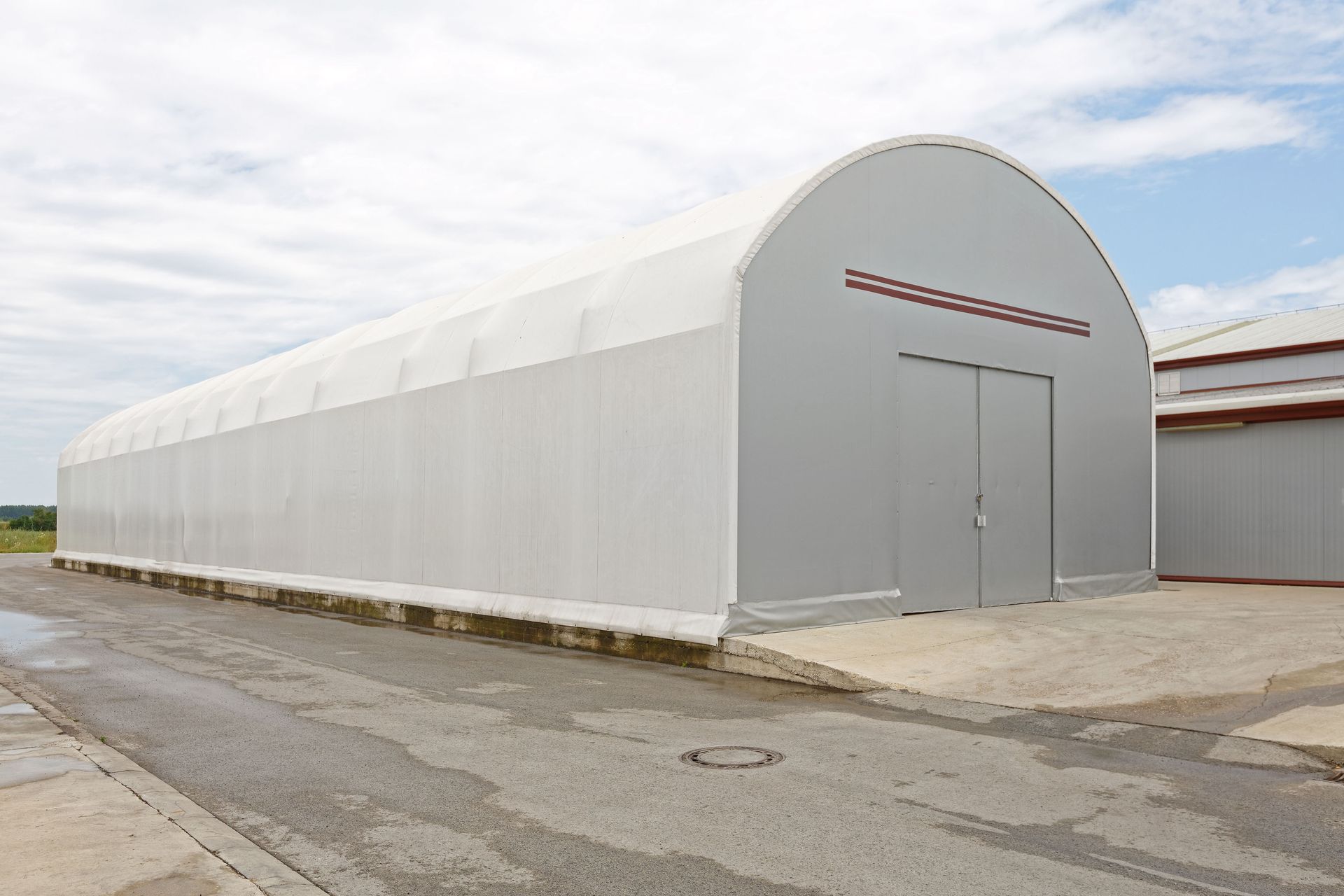
Managing sensitive commodities, heavy machinery, raw goods, and valuable commercial inventory requires durable storage options that offer robust defense against harsh weather conditions and severe environmental exposure. When valuable supplies remain outdoors without adequate covering, rain, snow, ultraviolet radiation, and blowing winds rapidly degrade material quality, leading to structural rot, severe corrosion, and substantial financial losses over time. Implementing a coverall building establishes a controlled overhead environment that shields essential supplies from climate hazards while maintaining rapid operational access for workers and machinery. These tension fabric structures combine high-strength steel frames with resilient fabric covers to form spacious, weather-tight enclosures suitable for various industrial, commercial, and agricultural operations. By providing dependable shelter, a coverall building preserves material integrity, extends product lifespan, minimizes operational downtime, and optimizes storage efficiency across numerous demanding operational sectors.
Shielding Agricultural Commodities
Agricultural operations rely heavily on preserving harvested crops, livestock feed, bulk fertilizers, and specialized farm equipment from adverse weather conditions. Exposing bulk feed or harvested forage to excess humidity and precipitation promotes rapid mold growth, internal heating, and spontaneous decay, rendering valuable crops unusable for livestock feeding. Deploying a coverall building creates a well-ventilated interior atmosphere that prevents moisture accumulation while blocking direct rainfall, windblown debris, and intense solar heat. According to the Institute of Agriculture and Natural Resources, properly storing hay can reduce nutrient loss by up to 15%. Protecting stored organic matter beneath tension fabric covers ensures high feed quality, limits spoilage, preserves crop market value, and safeguards farm revenue throughout long storage cycles.
Beyond forage protection, these fabric shelters provide reliable housing for expensive farm machinery, tractors, harvesters, seeders, and bulk chemical treatments. Exposure to rain, standing mud, and damp soil causes iron components to rust, hydraulic lines to crack, and sensitive electronics to fail prematurely. Storing valuable machinery inside a coverall building prevents severe rust formation and shields rubber tires, hydraulic hoses, electrical wiring, and interior cabin components from damaging ultraviolet rays. Furthermore, the expansive indoor space allows farmers to manipulate heavy machinery easily, conduct routine maintenance procedures comfortably indoors, and store bulk fertilizer bags without worrying about ambient moisture contamination.
Safeguarding Industrial Equipment
Industrial manufacturing facilities and energy companies require clean, dry space to store heavy machinery, replacement parts, raw metals, specialized tooling, and high-value processed goods. Leaving steel beams, copper piping, and mechanical valves outside exposes them to atmospheric oxidation, surface corrosion, pitting, and airborne chemical pollutants. Utilizing a coverall building creates a reliable weather barrier that shields sensitive metals and critical mechanical assemblies from corrosive precipitation, heavy snowfall, freezing rain, and intense temperature fluctuations. Preserving clean surface conditions reduces expensive pre-processing preparation time, eliminates premature rust removal tasks, and maintains precision tolerances across critical manufacturing components.
The structural flexibility of these fabric enclosures accommodates overhead cranes, large access doors, and customized interior layouts designed for heavy material handling. High clearance ceilings allow industrial forklifts, front loaders, cranes, and transport trucks to navigate freely within the protected perimeter, simplifying bulk loading and unloading operations. Because fabric membranes naturally diffuse sunlight throughout the interior, workers benefit from bright, shadow-free illumination without relying exclusively on artificial light fixtures during daylight hours. This natural visibility enhances operational safety, improves worker comfort, reduces energy consumption, and protects valuable industrial assets from external weather threats.
Defending Construction Supplies
Construction job sites constantly require secure on-site storage for lumber, drywall, bagged cement, insulation, framing timber, and electrical fixtures awaiting installation. Unprotected building materials subjected to rain, wind, and ambient humidity swell, warp, harbor mold growth, or suffer total ruin before installation ever occurs. Erecting a coverall building directly on project sites delivers immediate structural protection, keeping essential construction supplies dry, organized, and ready for immediate deployment. Protecting raw materials prevents project delays, eliminates expensive material replacement costs, reduces material waste, and ensures compliance with strict building material storage guidelines on busy job sites.
In addition to protecting raw supplies, these durable temporary structures safeguard expensive power tools, heavy construction equipment, surveying gear, and specialized testing devices from vandalism, theft, and severe weather damage. Lockable access doors combined with durable fabric barriers prevent unauthorized entry and protect valuable tools from rain, mud, sandstorms, and dust storms. Contractors can maintain an organized central supply depot on site, allowing subcontractors to retrieve materials quickly without leaving the site. Protecting project resources within a coverall building maintains steady workflow momentum and keeps building projects running smoothly regardless of outside weather conditions.
Protecting Commercial Inventory
Logistics hubs, retail distributors, and commercial suppliers frequently experience seasonal inventory surges that exceed permanent warehouse capacity. Overcrowded facilities risk product damage when palletized goods, cardboard containers, and retail merchandise are pushed into exposed outdoor staging areas. Integrating a coverall building onto existing commercial property instantly expands covered square footage, providing secure dry shelter for surplus inventory, palletized stock, and seasonal shipments. Moisture-resistant fabric barriers stop water intrusion, preserving outer cardboard packaging, preventing internal product contamination, and maintaining professional retail packaging appearance across long distribution timelines.
Maintaining organized storage within a covered fabric structure streamlines inventory tracking, simplifies stock management, and prevents product loss caused by rain-soaked labels or crushed cartons. The vast clear span interior contains no center support columns, enabling facility managers to construct tall pallet racking systems and optimize floor layouts for efficient forklift maneuvering. Commercial operations can scale their storage capacity dynamically to match market demand, ensuring that valuable inventory remains protected from sunlight, wind damage, and heavy rainfall. Maintaining clean, pristine product packaging ensures high customer satisfaction upon final delivery.
Mitigating Environmental Degradation
Environmental protection regulations demand secure containment for bulk minerals, road salt, aggregate mixtures, soil treatments, and recycled materials that pose runoff hazards. Storing loose materials in uncovered outdoor piles leads to severe rain erosion, groundwater leaching, chemical runoff, and windblown dust contamination across surrounding properties. Installing a coverall building over bulk material stockpiles contains loose particles and blocks rain from washing hazardous substances into nearby waterways, soil beds, and storm drains. Effective environmental containment assists facility operators in maintaining full compliance with regional environmental standards while preserving valuable raw materials for future use.
The durable architectural fabric membrane resists chemical degradation, severe winds, heavy ice accumulation, and heavy snow loads, providing long-lasting environmental isolation across changing seasons. Property owners benefit from reduced material loss due to wind scattering and rain wash, maximizing the usability and economic value of stored aggregate and chemical supplies. By combining reliable environmental containment with rapid material access, these versatile structures solve complex storage challenges across diverse industries. To explore custom-engineered fabric structures designed to safeguard your valuable assets and operational materials, contact Structures Unlimited LLC.
Providing proper shelter for valuable materials, heavy equipment, agricultural yields, and commercial inventory is vital for sustaining long term operational productivity and profitability. Unprotected exposure to severe weather, solar radiation, and excess humidity accelerates material decay, causes costly equipment repairs, and generates unnecessary financial waste across every industry. As demonstrated across agricultural, industrial, construction, and commercial applications, high-quality tension fabric structures deliver durable, adaptable, and cost-effective protection against harsh environmental hazards. Investing in a resilient coverall building ensures that your critical assets remain clean, dry, secure, and ready for immediate use. To protect your valuable business inventory and secure customized fabric shelter solutions tailored to your operational needs, contact Structures Unlimited LLC.