August 14, 2026
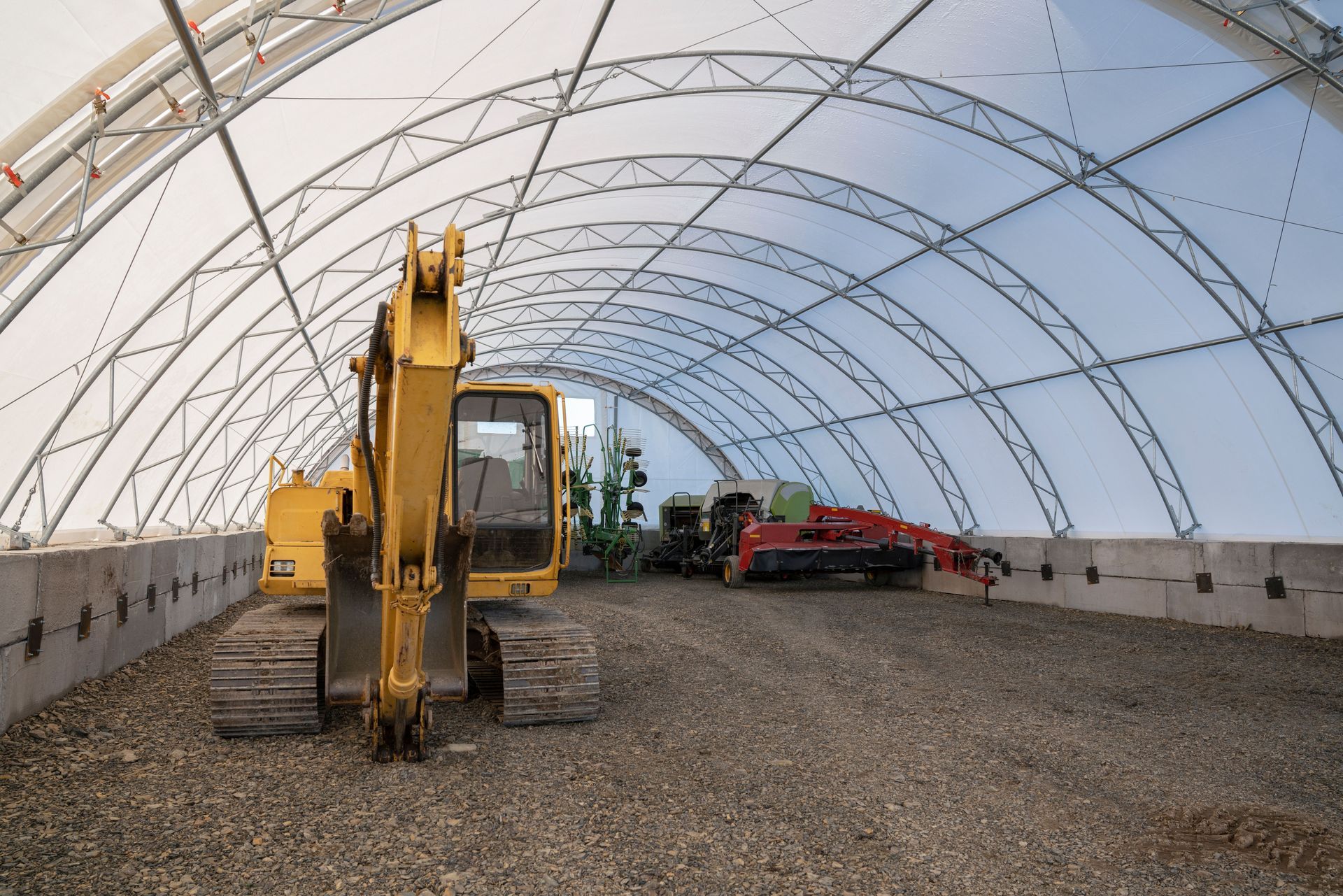
Finding affordable storage space can be challenging for businesses, organizations, agricultural operations, and other property owners. Traditional buildings can require significant spending on materials, labor, construction, and site preparation. A fabric building offers another option for creating useful storage space while keeping project costs more manageable. This article explains how fabric structures can provide affordable storage through lower construction costs, flexible space, and long-term value. Storage needs can change over time. Businesses may need more room for equipment, inventory, or vehicles, while agricultural operations may need additional space for supplies and machinery. Fabric structures can provide added storage without the same level of construction often required for conventional buildings.
Reducing Construction Costs
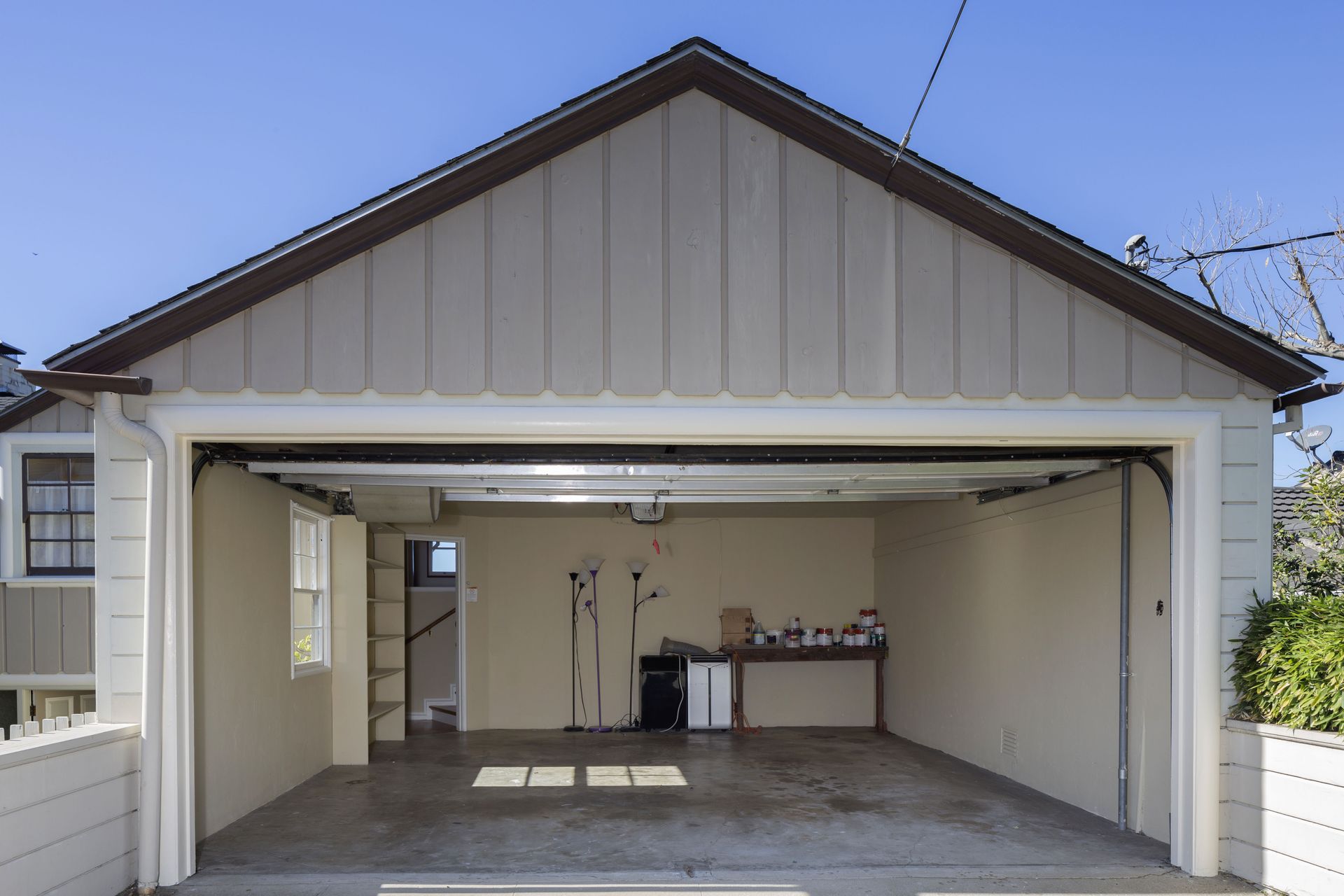
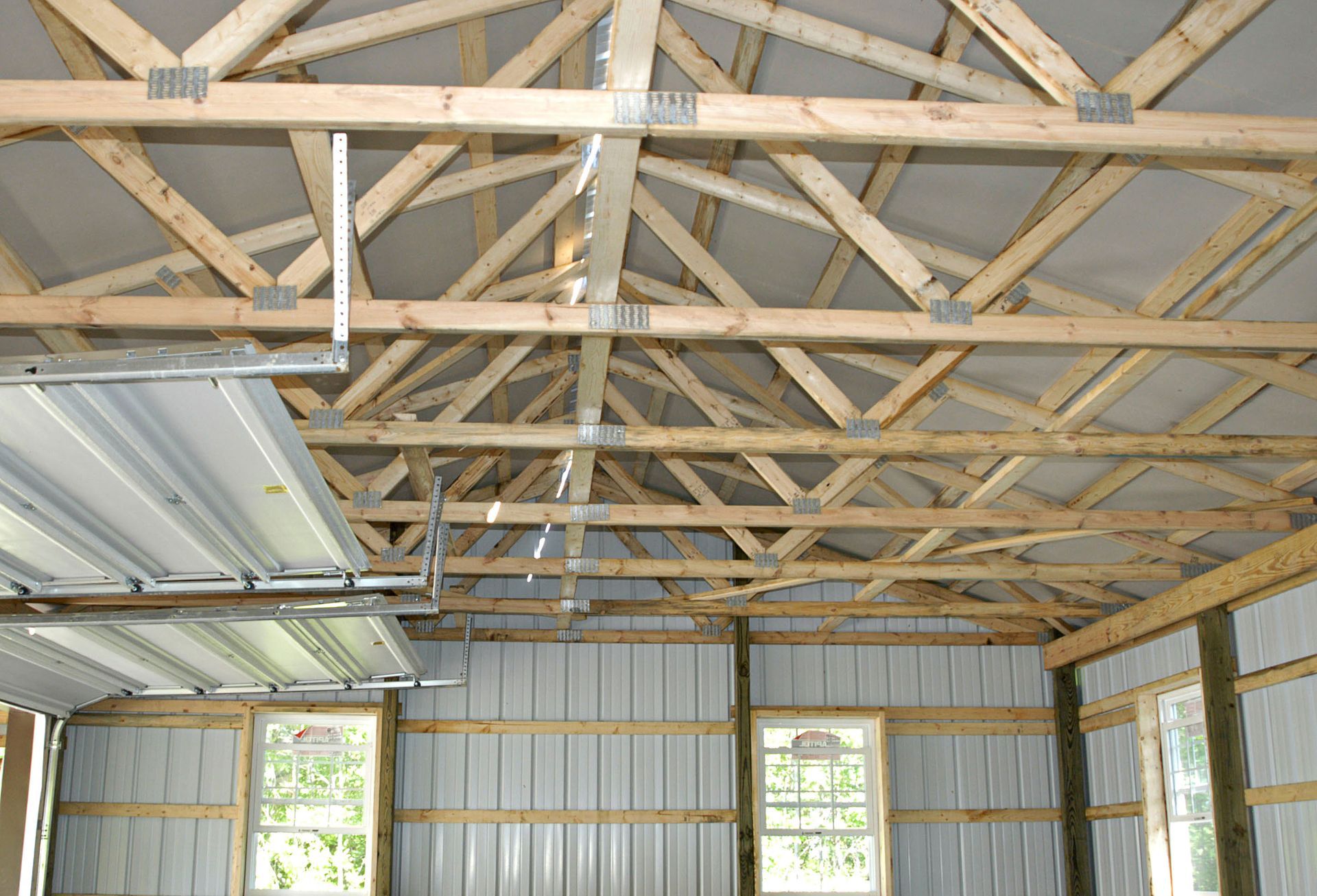
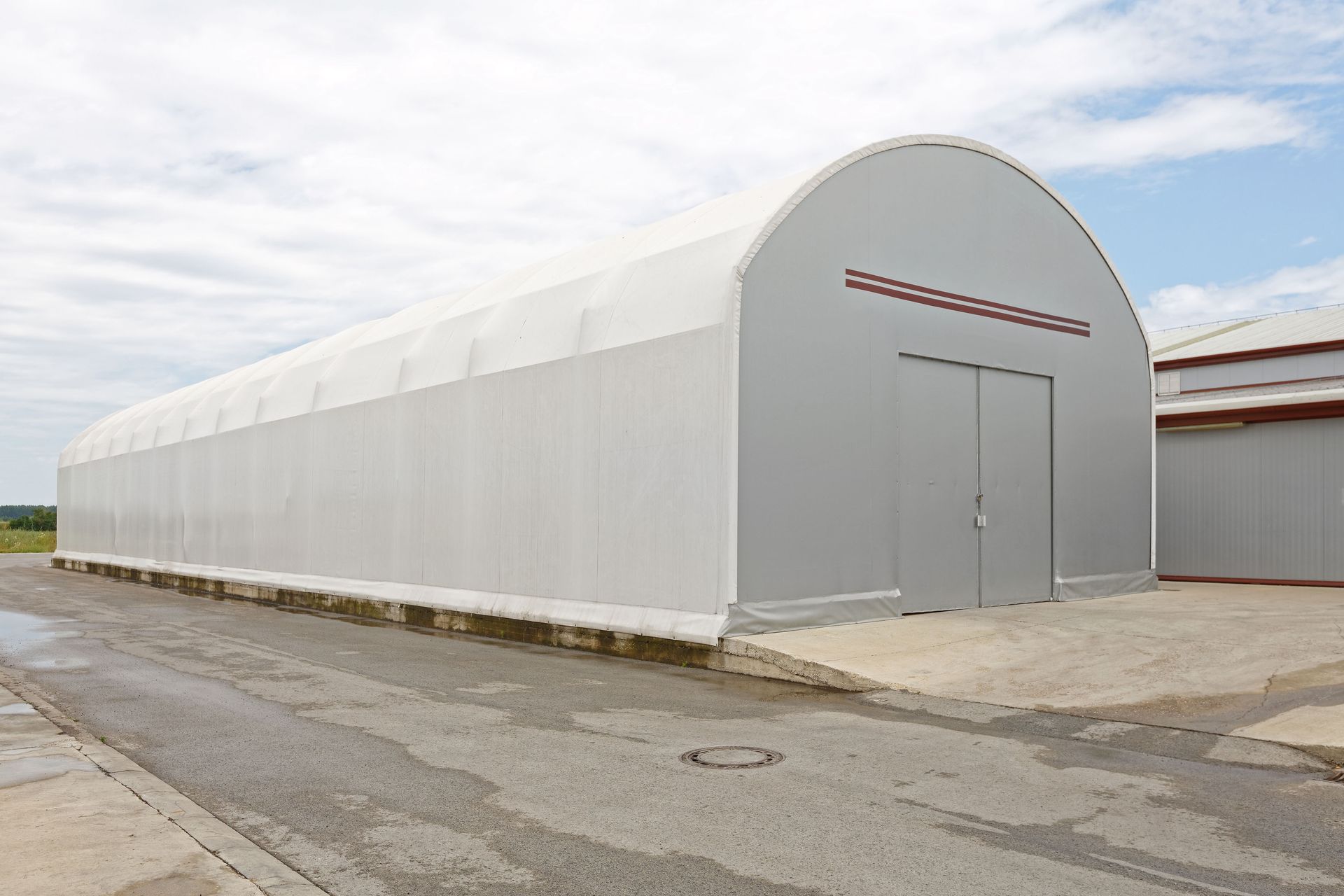
One of the main reasons fabric buildings can provide affordable storage is their potential to reduce construction expenses. Traditional structures often require extensive amounts of materials and labor. Depending on the design, they may also involve more complex construction processes that can increase the overall project budget. Fabric structures generally use a framework covered by a durable fabric membrane. This approach can require fewer construction materials than some conventional building methods. The reduced material requirements can help lower certain project expenses while still creating a large enclosed or covered area for storage.
According to Green Building & Design, the savings in cost from building a fabric structure versus a traditional brick-and-mortar building could be as high as or even exceed 50%. The potential difference can make fabric structures an appealing option for projects where controlling construction costs is a major concern. Actual savings can vary based on the size, location, design, site conditions, and requirements of each project.
Limiting Material Expenses
Material costs can have a major effect on the total price of a storage building. Conventional construction may involve large quantities of masonry, concrete, wood, steel, insulation, roofing materials, and other components. The more materials a project requires, the more those expenses can affect the final budget. A fabric building may use a simpler combination of structural components and a fabric covering. This can reduce the amount of material needed to create a large storage area. Lower material requirements may also make it easier to plan a project around a specific budget.
The covering itself is designed to provide protection from outdoor conditions while creating usable interior space. Depending on the structure and intended use, the enclosed area can be used for storing equipment, materials, vehicles, inventory, or other items that need protection from exposure.
Shortening Project Timelines
Construction time can also affect the overall cost of a storage project. A longer project can lead to increased labor expenses and may delay the point when the space becomes available. Extended construction can also create disruptions for businesses or organizations that need to keep their normal operations moving. The design of a fabric structure can support a relatively straightforward construction process compared with some traditional building methods. A shorter construction period may help reduce certain labor and project management expenses. It can also allow the storage area to become usable sooner.
Project timelines still depend on factors such as building size, site preparation, weather, permitting, and structural requirements. Working with qualified professionals can help establish a realistic schedule before construction begins. Seeking professional help is especially useful when the project involves a large structure or specific site requirements.
Maximizing Storage Space
Affordable storage is not only about the initial construction price. The amount of usable space created for the investment also matters. A storage building needs to provide enough room for the items, equipment, or materials that need to be kept inside. Fabric structures can create broad interior areas that are useful for storage. Their open interior layouts can provide flexibility for organizing large items or equipment. Depending on the design, the space may also allow for movement of vehicles and machinery.
This type of layout can be helpful when storage needs change regularly. Items can be arranged and moved without being limited by numerous interior walls or small rooms. The result can be a storage area that makes practical use of the available footprint.
Supporting Flexible Storage
Storage requirements can change as a business or organization grows. A space that is large enough today may not meet future needs. Building a large conventional facility from the beginning may require a significant investment, even if all the space is not immediately necessary. A fabric building can offer flexibility for different storage applications. The same structure may be used for equipment, inventory, agricultural materials, vehicles, supplies, or other items depending on the building's design and intended purpose.
Flexibility can also help organizations make better use of their investment. Instead of creating a space for only one narrow purpose, a well-planned storage structure can support several needs over its useful life. This can be especially valuable for operations where storage requirements change from season to season.
Lowering Long-Term Expenses
Initial construction costs are only one part of the financial picture. Property owners also need to consider maintenance, repairs, energy use, and the expected lifespan of the structure. A building that is inexpensive to construct but difficult to maintain may not provide the best overall value. Fabric structures can offer potential long-term savings through their relatively simple construction. Fewer building components can mean fewer areas that require routine attention. The fabric covering is also designed for use in outdoor conditions, although maintenance requirements will vary based on the structure, environment, and materials selected.
Long-term costs can also depend on proper planning and professional installation. Seeking professional help can help identify factors such as drainage, site conditions, ventilation, access, and structural requirements before construction begins. Addressing these considerations early can help reduce problems that may lead to added expenses later.
Adapting To Different Locations
The cost of developing storage space can be influenced by the property where a structure will be installed. Site conditions, access, drainage, soil, utilities, and local building requirements can all affect the project. Fabric structures can be adapted to a variety of storage applications and property settings. Their design flexibility can make them useful for locations where a conventional building may require a more complex approach. The appropriate structure still depends on local conditions and the intended use of the space.
Before moving forward, property owners should have the site evaluated by qualified professionals. A proper evaluation can help identify challenges related to the ground, access, weather exposure, building placement, and local requirements. Professional planning can make the overall project more predictable.
Improving Storage Efficiency
A storage building should do more than provide additional square footage. The space should also support efficient organization and access. Poorly planned storage can make it difficult to locate materials, move equipment, or use the available area effectively. A fabric building can provide an open environment that may be arranged around the needs of the operation. Storage layouts can be planned based on the size of equipment, frequency of access, vehicle movement, and other practical considerations.
Better organization can also help reduce wasted space. When the building layout is planned before construction, owners can think about where larger items will be positioned and how people or equipment will move through the structure. This approach can help make the available storage area more useful.
Affordable storage requires looking beyond the initial price. Materials, labor, timelines, usable space, maintenance, site conditions, and future needs can all affect a building's overall value. A fabric building can provide cost efficiency, flexible space, and practical storage capacity while helping protect equipment, materials, inventory, and other items. Property owners should consider their intended use, available space, budget, and future needs when selecting a structure. Professional assistance can also help with planning and construction. If you are looking for an affordable storage solution, contact Structures Unlimited LLC to discuss how a fabric building can meet your current and future storage needs.