December 16, 2025
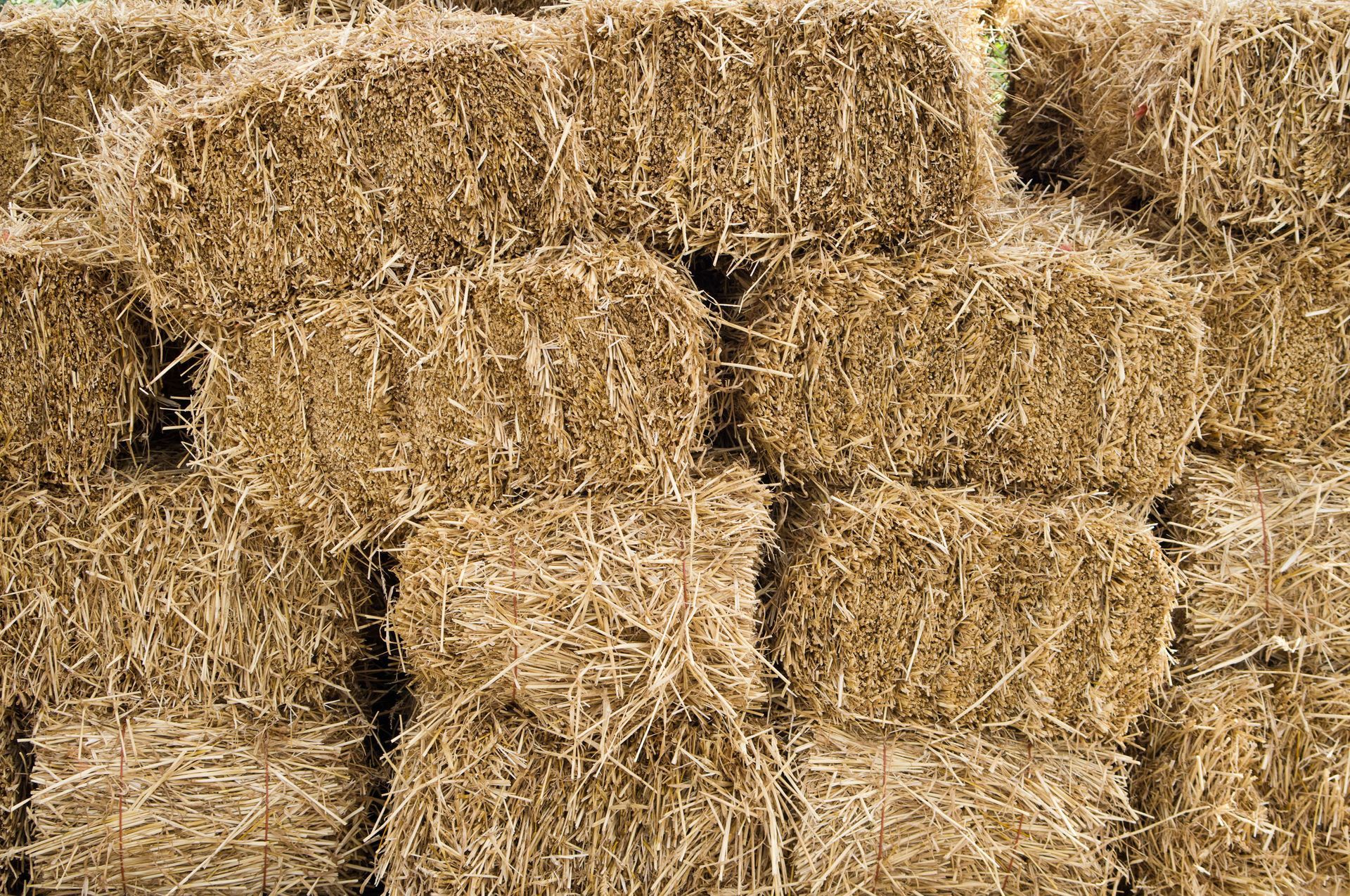
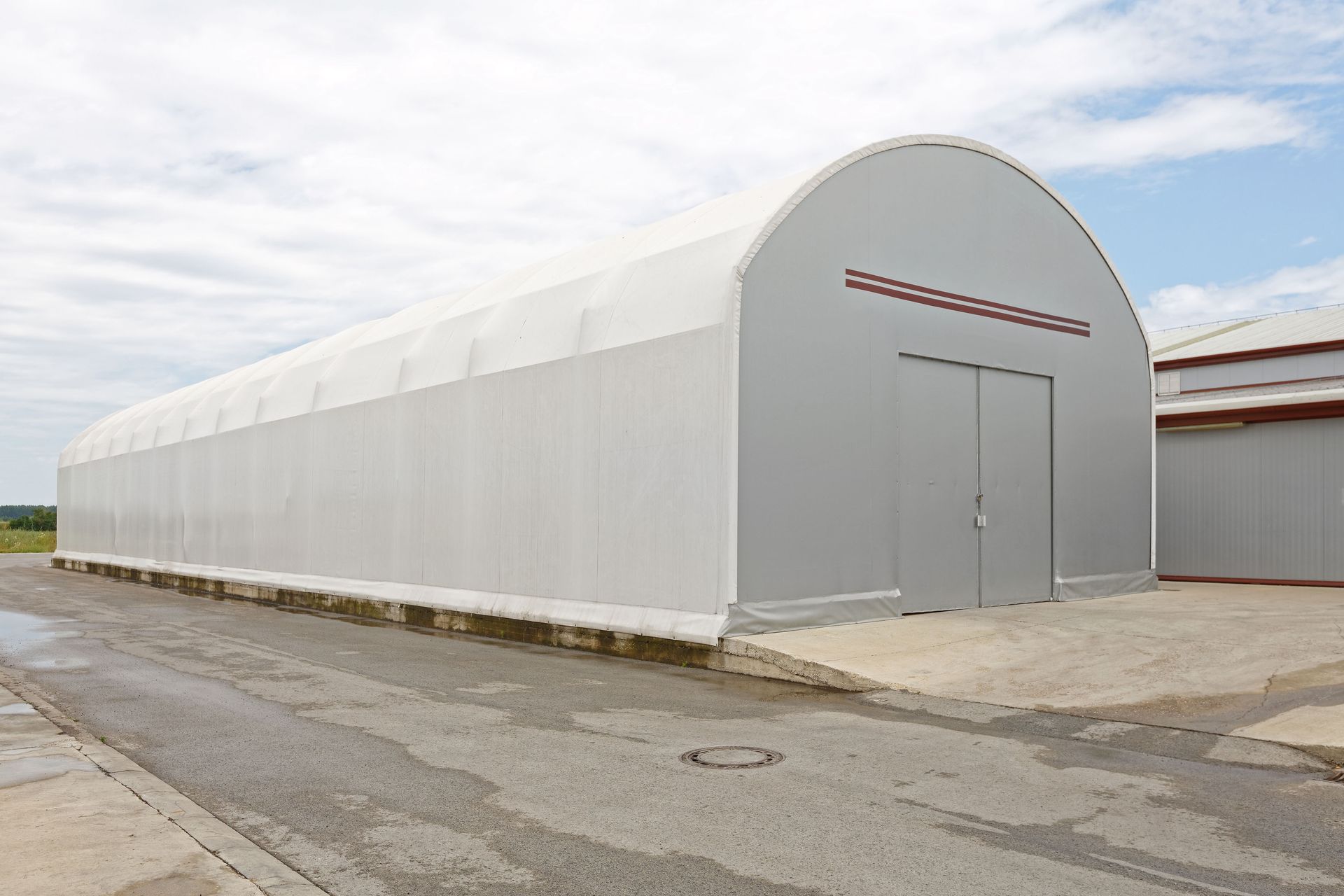
Hoop buildings, also known as fabric structures, are increasingly popular in agricultural settings for their adaptability, efficiency, and durability. For hay storage, these structures provide reliable protection and flexibility that can improve overall farm operations. These buildings offer a modern alternative to traditional storage methods, ensuring hay remains secure and organized. These versatile structures are designed to meet the varying needs of agricultural operations, providing space that can be adjusted based on storage requirements and seasonal demands. By offering a practical storage solution, hoops can contribute to a more systematic approach to farm management.
In addition to protecting the materials stored inside, these buildings provide a sense of organization and planning for the farm layout, allowing operations to run smoothly and efficiently. Their presence can enhance the overall work environment, creating a structured and orderly setting that supports routine tasks for farm staff and equipment management. The thoughtful design and flexibility of these structures make it easier to manage inventory, maintain accessible storage areas, and adapt to changing farm needs over time, supporting a more consistent and predictable daily workflow.
Construct Durable and Efficient Hoop Buildings
Use Reliable High-Strength Materials
These buildings are constructed with high-strength steel frames and durable fabric membranes, providing long-lasting structural integrity. These materials are designed to withstand a range of weather conditions, ensuring protection for stored hay throughout the year. The combination of materials also allows the structure to maintain its shape and function over time, providing consistency in performance across seasons. The choice of materials reflects an emphasis on stability and practicality, helping farm managers plan storage and operations with confidence.
The quality of these materials also contributes to a steady and predictable storage environment, making it easier to organize hay efficiently. Over time, the durable construction reduces the need for frequent adjustments or replacements, allowing farm staff to focus on daily operational tasks. In addition, the combination of steel and fabric supports a structure that can accommodate seasonal changes and adapt to varying storage volumes, providing flexibility alongside reliability.
Ensure Low-Maintenance Durability
Fabric structures require minimal maintenance compared to traditional wooden or metal barns. The materials resist rust and mold, reducing the need for ongoing repairs and upkeep. This allows farmers to focus resources on other critical areas of their operations. With minimal routine care required, these buildings can remain functional and reliable without frequent attention, giving farm staff more time to focus on core agricultural tasks. The ease of care also makes long-term planning simpler, as maintenance schedules are easier to manage and predict.
Facilitate Quick and Organized Installation
Hoop buildings are designed for quick and organized assembly. Components are prefabricated and labeled for straightforward construction, often allowing installation without specialized crews. This streamlined process minimizes disruption to farm activities and provides faster access to secure storage. The clear organization of materials and straightforward assembly steps help ensure that construction progresses smoothly and efficiently. Farmers and crews can take comfort in knowing that the building process is predictable, which supports planning and minimizes interruptions to daily operations.
Protect Hay from Sunlight and UV Rays
Provide UV-Resistant Fabric Coverings
The fabric coverings of hoop buildings provide resistance to UV rays, helping protect stored hay from prolonged sunlight exposure. This safeguards the quality of hay by reducing damage caused by environmental factors. Beyond protection, the coverings create a consistent indoor environment that can help reduce variations in temperature and lighting, which contributes to an orderly and predictable storage setting. This consistency can simplify inventory management and make it easier to handle large volumes of hay efficiently. The UV-resistant fabric also helps maintain the appearance and condition of the building over time, preventing premature fading or degradation of the exterior materials. By reducing direct sunlight inside, the structure provides a more stable environment for hay, which can help avoid uneven drying or discoloration. This stability supports careful stacking and organization, allowing farmers to plan storage layouts with greater confidence and ensuring that materials remain accessible and manageable throughout the year.
Maintain Rain and Moisture Control
Hoop buildings are designed to resist rain and moisture through their engineered fabric exteriors. The seamless construction prevents water from entering the storage space, keeping hay dry and in optimal condition. By maintaining a dry interior, the building helps prevent potential complications related to damp or wet storage materials, which can affect handling and usability. This careful control of moisture contributes to a predictable storage environment and makes planning for seasonal harvests more straightforward.
Additionally, by keeping the interior consistently dry, these buildings help maintain the structural condition of the stored hay over time. Proper moisture management also reduces the likelihood of condensation forming inside the structure, which can otherwise affect the quality and handling of the hay. This controlled environment ensures that loading and unloading can proceed smoothly, with fewer interruptions or adjustments needed due to damp materials, supporting an organized and reliable storage process. According to the Institute of Agriculture and Natural Resources, properly storing hay can reduce nutrient loss by up to 15%.
Improve Wind Resistance
The arched design of hoop buildings allows wind to pass over the structure, reducing the risk of damage. Proper anchoring ensures stability even in strong winds, providing a safe storage environment for agricultural products. The design helps maintain the overall shape and layout of the building, allowing farm staff to plan storage and access points without concern for disruption from weather events. This structural stability can make day-to-day operations smoother and support long-term use of the building.
Customize Modular Designs for Flexibility
Create Adaptable Layouts for Various Storage Needs
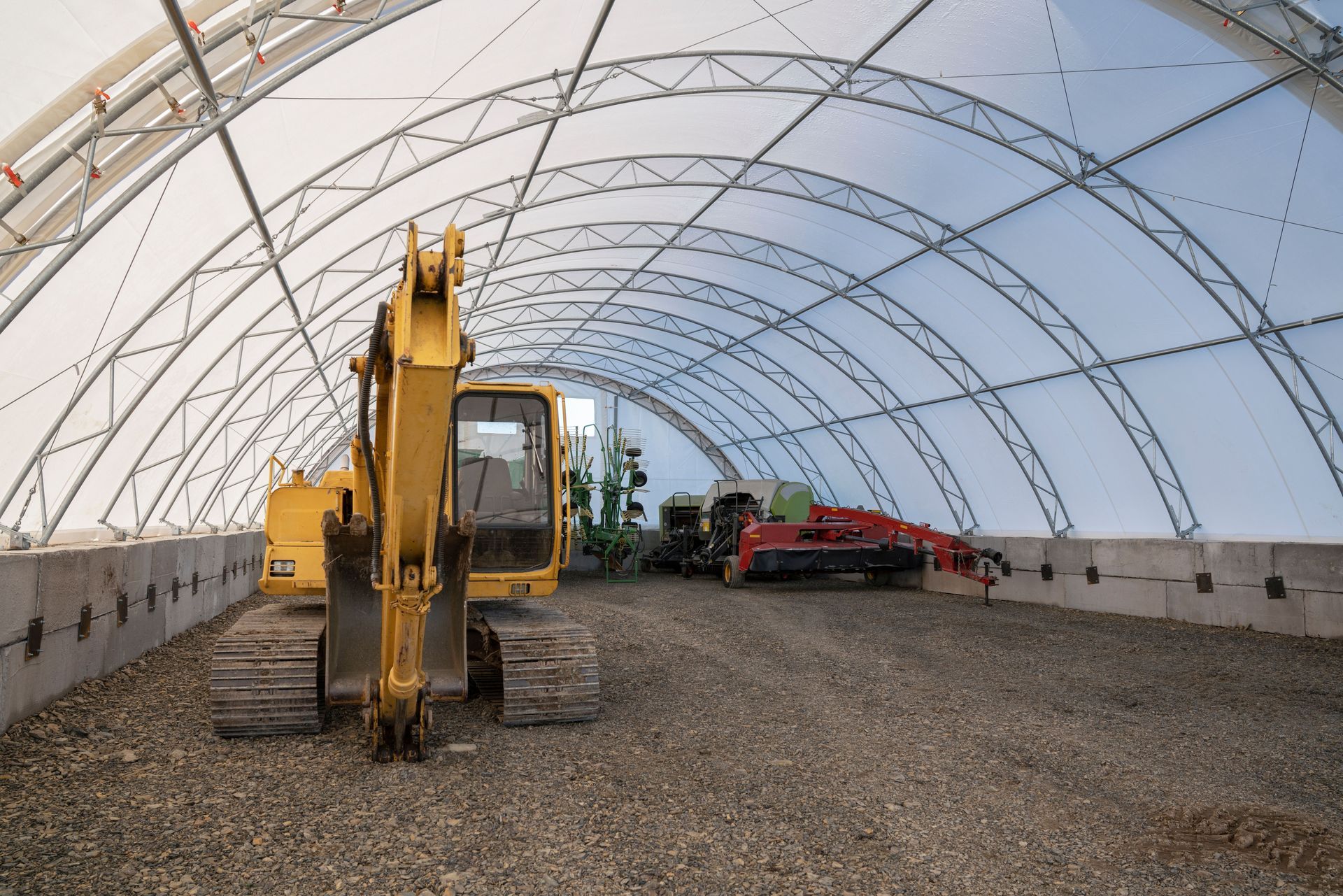
These structures offer flexible designs that can be tailored to the size and type of storage needed. Farmers can choose the configuration that best suits their operations, from small-scale storage units to larger facilities for high-volume harvests. The adaptability allows planners to optimize space usage and make the most of available land. It also supports long-term adjustments, so as needs change or operations expand, the building can continue to provide appropriate and organized storage capacity.
Enable Multi-Use Storage Potential
While ideal for hay, hoop buildings can also accommodate other agricultural products, including grains and seeds. The modular design allows farmers to adjust internal layouts for various storage requirements, maximizing the utility of their investment. The flexibility of the interior space helps in planning day-to-day activities, such as separating different types of materials or organizing equipment. This multi-use capability ensures that storage can adapt to seasonal or operational shifts, providing a reliable and consistent environment for various agricultural needs.
Minimize Site Impact During Installation
Hoops use a steel frame and membrane system that allows for quick assembly with minimal site disturbance. Foundations are designed to support the structure without extensive excavation, helping preserve the surrounding land and allowing installation in a variety of locations. This minimal impact makes planning for installation simpler and allows farm operations to continue around the construction site. Additionally, the ability to install on different types of terrain adds flexibility, supporting a wide range of farm layouts and operational requirements.
Hoop buildings offer a durable, flexible, and efficient option for storing hay and other agricultural products, providing a consistent and organized environment that supports both day-to-day operations and long-term planning. Our thoughtful design, weather-resistant construction, and adaptable layout make them well-suited to a variety of farming needs while simplifying storage management. To explore the full range of agricultural and custom fabric structures, including design, engineering, and installation services, learn more about how Structures Unlimited LLC can help optimize your storage solutions.