January 14, 2026
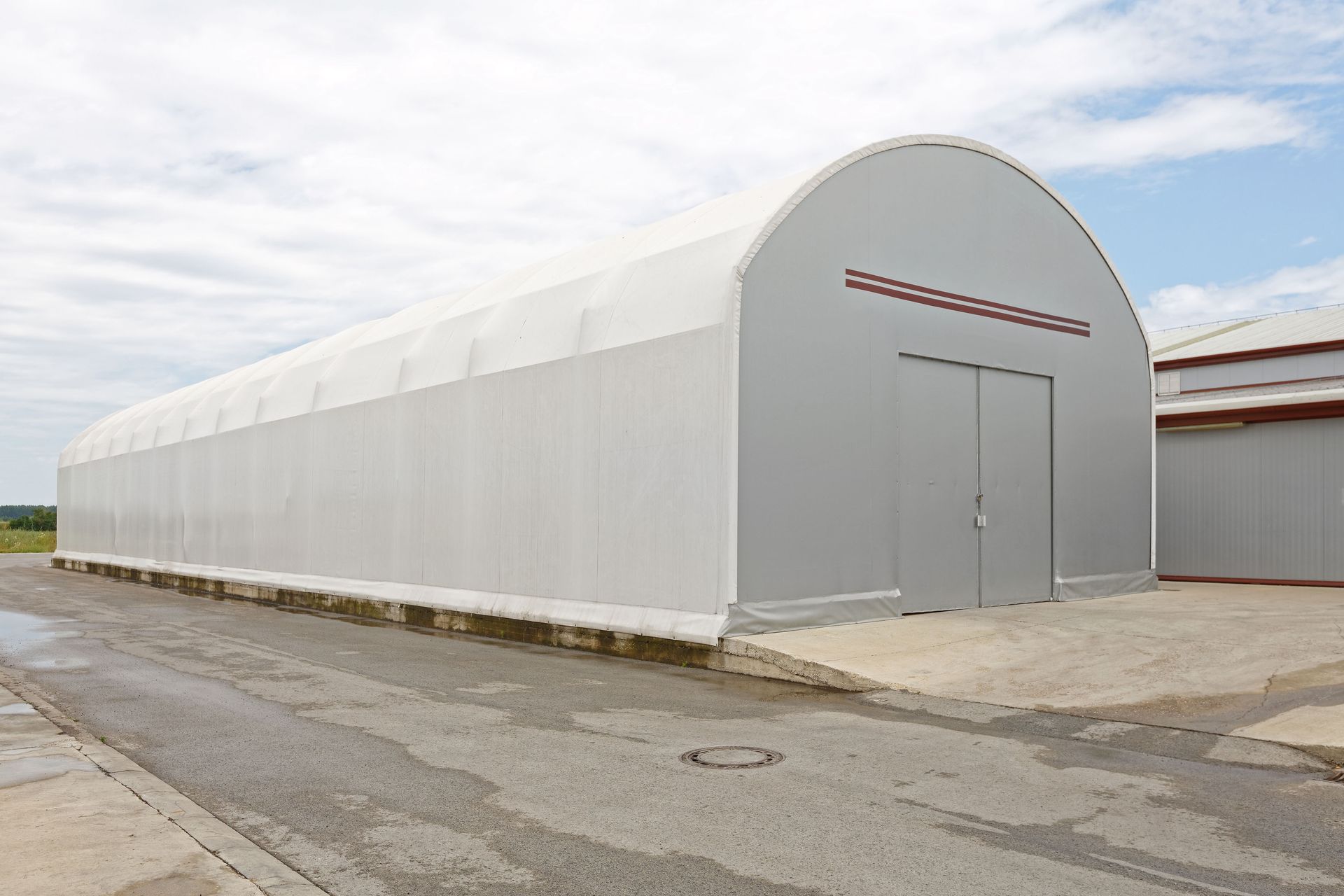
Coverall buildings provide essential protection for aircraft, offering a versatile and cost-effective alternative to traditional hangars. These structures safeguard valuable assets from weather, environmental hazards, and wear, while accommodating various aircraft sizes and operational needs. Choosing the right coverall building requires careful consideration of aircraft dimensions, frequency of use, environmental conditions, and future expansion plans. Understanding these factors ensures that your structure maximizes utility, longevity, and investment value.
1. Assessing Your Aircraft's Needs
Understanding your aircraft’s dimensions and specifications is crucial when selecting a coverall building. Each aircraft has unique size requirements, including wingspan and tail height, which determine the necessary clearance within the building. Selecting a building that fits comfortably ensures safe maneuvering and protects both the aircraft and structure from damage. If you own multiple aircraft, consider a coverall building that can accommodate them simultaneously.
Frequency of use also influences the type of materials and durability required. For aircraft used frequently, robust structures reduce maintenance costs and ensure longevity. Less frequent use may allow for simpler materials, but it is important to balance cost and practicality. The building’s location is another critical factor. Harsh weather conditions, such as heavy snow, strong winds, or intense heat, can impact its integrity. According to the Federal Aviation Administration, there are 14,336 private airports in the U.S., each presenting unique environmental challenges that must be accounted for when planning. Security considerations, including cameras, alarms, and strong locks, are essential to prevent unauthorized access. Finally, plan for future expansion to accommodate a growing fleet or additional storage needs. A structure designed with adaptability in mind ensures long-term usability.
2. Evaluating Building Types
Choosing the right coverall building involves assessing frame materials and overall durability. Steel frames are widely used for their strength and corrosion resistance, making them suitable for a variety of climates. Aluminum frames offer a lighter alternative but may not withstand extreme conditions as well. Selecting the proper material balances cost, weight, and durability to enhance performance.
Fabric options also play a significant role in weather resistance. Common materials such as polyester, PVC, and polyethylene provide varying levels of protection against UV rays, wind, and precipitation. The building’s design, whether single or multi-bay, affects functionality. Single-bay structures work well for individual aircraft, while multi-bay designs offer flexibility for additional aircraft or storage. Temporary structures offer mobility and short-term utility, whereas permanent structures provide stability and long-term investment value. Customization options, including additional doors, ventilation, and storage areas, allow for tailored solutions without exceeding budget constraints.
Consideration of frame materials is equally important in ensuring a coverall building’s durability and longevity. Steel frames are highly favored for their strength, resistance to rust, and ability to withstand diverse environmental conditions. Aluminum frames offer a lightweight alternative suitable for less demanding settings while still providing structural integrity. Choosing the right frame material balances cost, weight, and durability, ultimately enhancing the building’s overall performance and lifespan.
Another critical factor is the building’s location and exposure to environmental conditions. Harsh weather, including heavy snow, strong winds, and intense sun, can impact both the structural frame and fabric cover. According to the Federal Aviation Administration, there are 14,336 private airports in the U.S., each presenting unique challenges that influence material choice and building design. Properly accounting for environmental factors ensures that the coverall building remains protective and functional for years to come.
3. Navigating Regulations and Permits
Understanding building regulations and zoning laws is a necessary step in selecting a coverall building. Required permits may include building, environmental, and zoning approvals, and failing to obtain these can result in legal and financial consequences. Local zoning restrictions can limit structure size, height, or placement, so early consultation with authorities is crucial. Compliance with safety and environmental standards, including fire prevention and fuel storage guidelines, ensures both protection and legality. Fire safety, including extinguishers, alarms, and sprinklers, is critical to safeguard both the aircraft and personnel. Consulting with local authorities early in the planning process streamlines approvals and reduces delays, while proactive engagement helps ensure the project meets all regulatory requirements.
Additionally, staying informed about updates or changes to local regulations is essential for long-term compliance. Building codes and safety standards can evolve, and what is permissible today might require adjustments in the future. Regularly reviewing guidelines and maintaining open communication with regulatory agencies helps prevent costly modifications or fines. This proactive approach not only ensures ongoing legal compliance but also reinforces the safety, functionality, and longevity of the coverall building.
4. Budgeting and Financial Planning
Estimating costs is a vital part of selecting a coverall building. Initial expenses include materials, labor, permits, and customization preferences. Collecting quotes from multiple suppliers ensures competitive pricing and helps create a realistic budget. Long-term maintenance costs, including inspections, repairs, and upgrades, should also be factored into the financial plan to prevent unforeseen expenditures. Exploring financing or leasing options can make the investment more manageable. A cost-benefit analysis, considering factors such as insurance savings, increased aircraft protection, and operational efficiency, ensures the financial feasibility of the project. Some insurance providers may even offer reduced premiums for properties with adequate aircraft protection, adding an additional layer of cost efficiency.
5. Ensuring Quality and Warranty
Selecting a reputable manufacturer guarantees the quality and durability of a coverall building. Research online reviews, testimonials, and case studies to confirm a track record of delivering reliable structures. Understanding warranty details is essential, including coverage duration, inclusions, and any exclusions. A strong warranty protects against unforeseen issues in the early years of ownership. After-sales support, including technical guidance and access to spare parts, ensures continued functionality. Quality assurance certifications, such as ISO standards, further validate manufacturer credibility. Evaluating customer testimonials provides insight into real-world performance, installation experience, and ongoing support. Together, these measures minimize risks and enhance confidence in your investment.
6. Installation Considerations
Proper installation of a coverall building is critical for ensuring structural integrity and operational safety. Engaging qualified installers with proven experience reduces the risk of construction errors. Planning for project timelines and logistics ensures smooth coordination, taking into account weather, resource availability, and deadlines. Routine maintenance, including inspections for wear and potential damage, keeps the structure in optimal condition. Handling repairs and upgrades proactively, along with seasonal preparation, protects the building against environmental stresses. According to the Federal Aviation Administration, seasonal planning is particularly important at the 14,336 private airports in the U.S., where weather conditions vary widely and can affect aircraft storage structures.
7. Maximizing Longevity and Utility
To fully benefit from a coverall building, ongoing care and planning are key. Regularly inspecting fabric, frames, and mechanical components prevents small issues from escalating. Upgrading features, like ventilation or access points, increases usability without requiring a new structure. Considering environmental conditions, operational frequency, and future expansion ensures the building continues to meet evolving needs. These proactive measures protect your investment and maintain functionality over many years, ensuring that aircraft remain safe, secure, and easily accessible.
Selecting the right coverall building for your aircraft requires careful evaluation, planning, and attention to detail. By assessing aircraft needs, evaluating building types, navigating regulations, budgeting effectively, ensuring quality, and planning for installation and maintenance, you can maximize the longevity and utility of your structure. Structures Unlimited LLC specializes in providing high-quality coverall buildings tailored to your operational and financial requirements. Contact Structures Unlimited LLC today to secure a durable, reliable, and versatile solution for protecting your aircraft investment.