May 11, 2026
The use of advanced construction materials has reshaped how industries and farms approach space, efficiency, and cost. Among the most notable innovations are fabric-based systems that offer flexibility and durability in ways traditional buildings often cannot match. In many sectors, fabric buildings are becoming a preferred solution for organizations seeking rapid deployment and scalable infrastructure.
This shift is not just about convenience; it reflects broader changes in how businesses think about long-term investment and adaptability. From warehousing to livestock housing, lightweight architectural solutions are proving their value across diverse environments. As demand increases, engineers and planners are rethinking what modern structures can achieve without the limitations of conventional construction.
Expanding Role of Fabric Structures in Industrial Development
Modern industrial operations require facilities that can be deployed quickly and modified as needs evolve. Traditional construction often involves long timelines and high costs, making it less suitable for fast-moving industries. As a result, alternative approaches have gained traction in logistics, manufacturing, and storage environments.
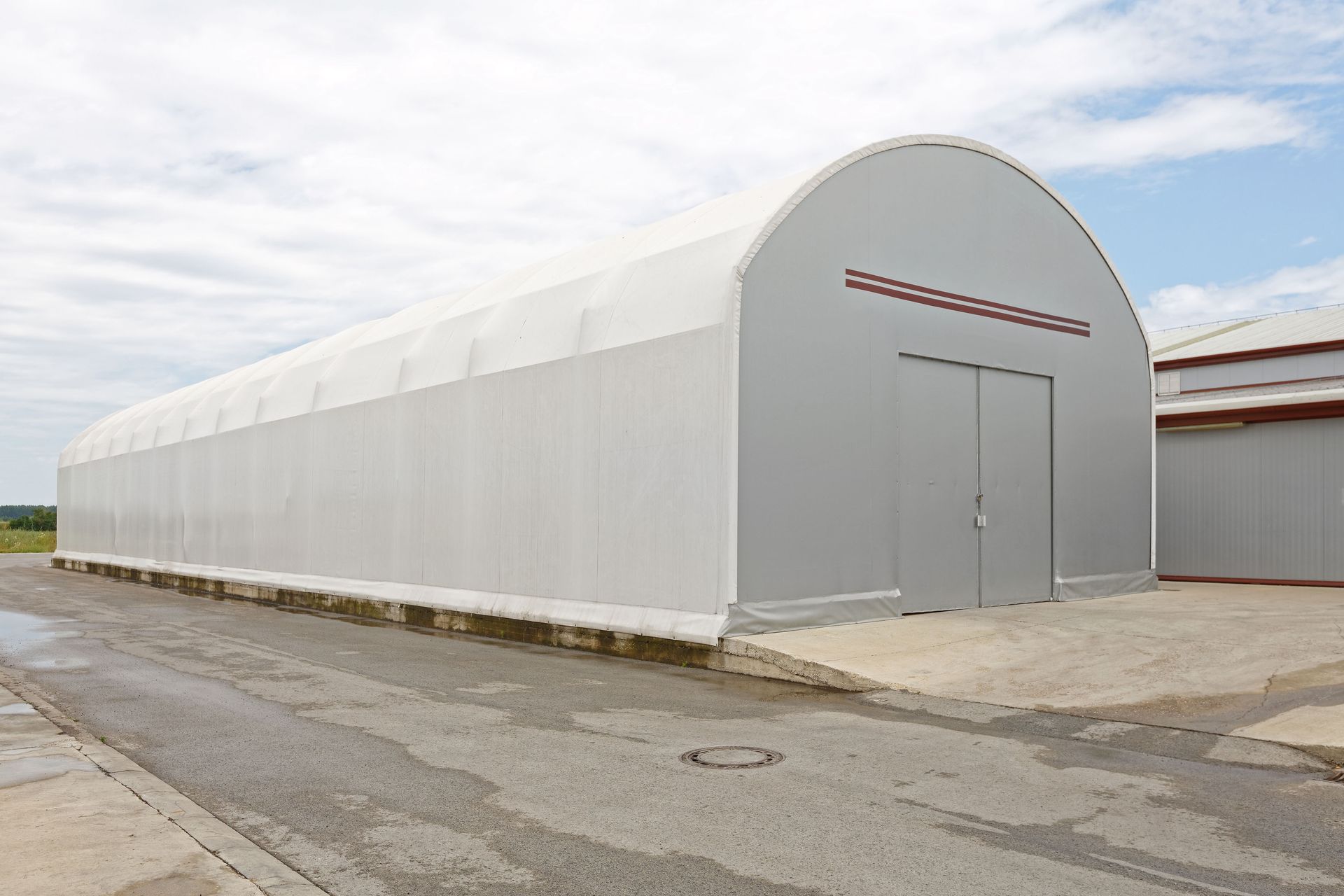
One of the key drivers behind this shift is the growing reliance on scalable infrastructure that can expand with business demand. Companies are increasingly choosing solutions that reduce downtime and simplify installation processes. In this context, fabric buildings have emerged as a practical option that balances performance with efficiency.
Industrial managers also appreciate the adaptability these structures provide in terms of relocation and expansion. Instead of committing to permanent brick-and-mortar facilities, businesses can adjust their footprint as market conditions change. This flexibility is especially valuable in sectors where operational needs fluctuate seasonally or based on supply chain demands.
Another advantage lies in reduced site preparation requirements. Many fabric-based systems can be installed on existing surfaces with minimal disruption, helping companies maintain productivity during expansion. This approach continues to redefine how industrial spaces are planned and executed.
Manufacturers are also beginning to integrate advanced monitoring systems into these structures to improve operational oversight. Sensors and smart controls can be embedded to track temperature, humidity, and energy usage in real time. This technological integration enhances efficiency and allows for more precise facility management. Over time, it helps companies optimize both performance and cost savings.
Agricultural Transformation Through Fabric-Based Design
Agriculture has always depended on structures that protect crops, livestock, and equipment from environmental challenges. In recent years, farmers have increasingly adopted modern shelter solutions to improve efficiency and productivity. These innovations have allowed rural operations to scale without the high costs associated with traditional barns and storage units.
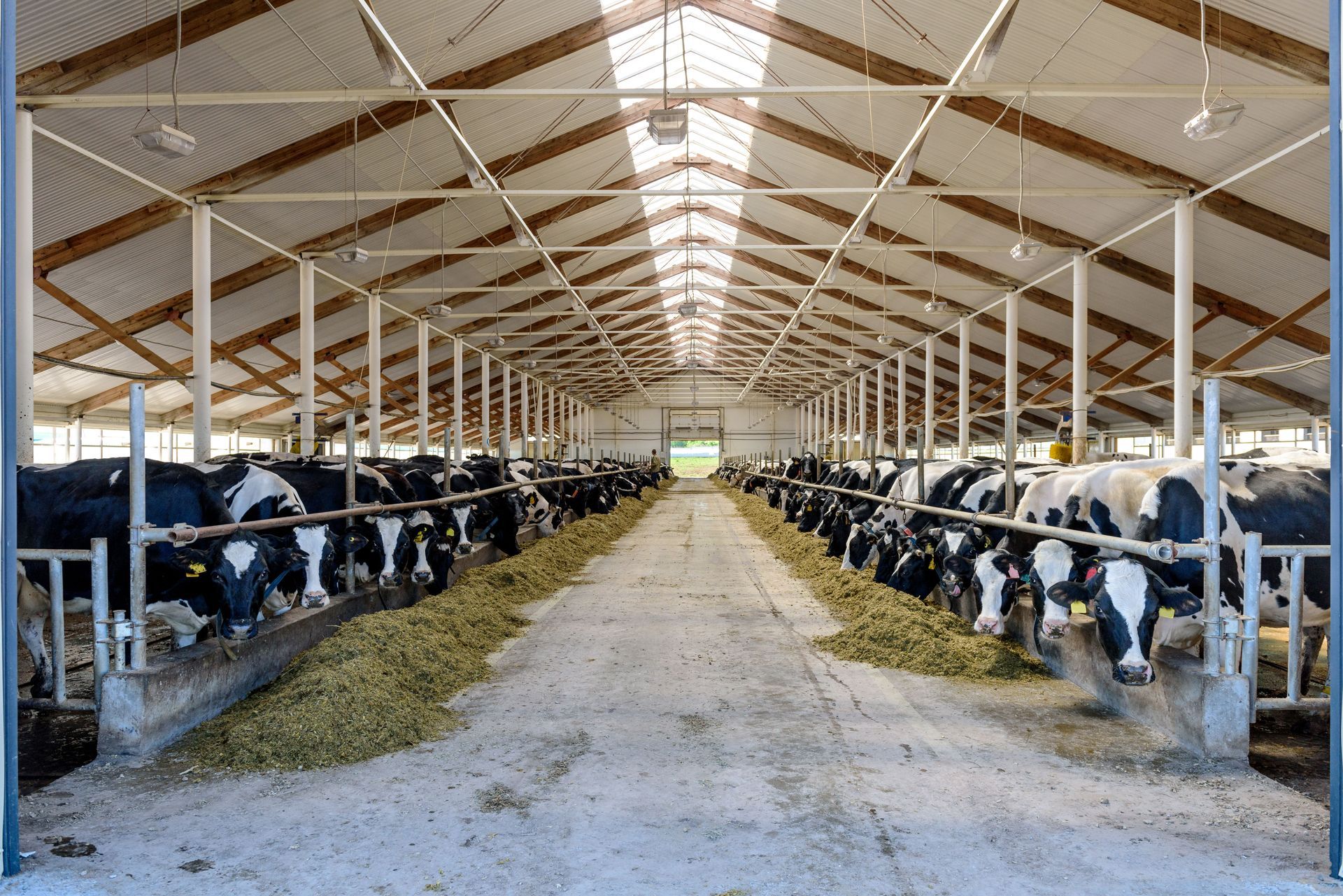
Temperature regulation and ventilation are key factors in agricultural success. Many new shelter systems are engineered to maintain stable internal conditions while allowing airflow and natural light. Fabric buildings play a growing role in this transformation by providing adaptable coverage for hay storage, livestock housing, and equipment protection.
Farmers also benefit from faster construction timelines, which are critical during planting and harvest seasons. Delays in infrastructure development can lead to significant operational setbacks. By contrast, lightweight structures can often be installed in a fraction of the time required for conventional buildings.
Additionally, these systems help reduce long-term maintenance costs. With fewer rigid materials exposed to cracking or corrosion, upkeep becomes simpler and more predictable. This allows agricultural operators to focus more on production and less on facility management.
Another emerging benefit is improved biosecurity control within farming environments. Enclosed yet ventilated spaces help reduce exposure to pests and disease while still supporting healthy airflow. This balance is especially important in large-scale livestock operations where containment and hygiene are critical. As a result, farmers are finding new value in adaptable shelter systems.
Sustainability and Economic Advantages of Fabric Structures
Sustainability has become a central concern in both industrial and agricultural development. Businesses are increasingly expected to reduce environmental impact while maintaining operational efficiency. Lightweight architectural solutions offer a compelling balance between resource use and long-term performance.
One of the most important advantages is material efficiency. These systems typically require fewer raw materials than traditional construction, resulting in a smaller environmental footprint. This reduction in resource consumption also helps lower transportation emissions during the building process. Over time, these efficiencies contribute to more sustainable development practices across industries.
Durability is another critical factor in evaluating long-term value. According to GB&D Magazine, architectural fabric typically has a lifespan of 20 to 30 years, whereas the metal frames, masts, and cables are designed to last more than 50 years. This longevity demonstrates that modern fabric-based systems are not temporary solutions but long-term investments in infrastructure resilience.
Economic considerations also play a major role in their growing popularity. Lower upfront costs combined with reduced maintenance expenses make them attractive to budget-conscious organizations. Over time, these savings can significantly improve return on investment, particularly for large-scale operations.
Energy efficiency is another important benefit that continues to gain attention. Many of these structures are designed to maximize natural lighting, reducing the need for artificial illumination during daytime hours. This design feature not only lowers operational costs but also reduces overall energy consumption. As energy prices fluctuate, such efficiencies become increasingly valuable.
Design Innovation and Future Trends in Fabric Structures
Architectural innovation continues to push the boundaries of what lightweight systems can achieve. Advances in materials science have led to stronger, more weather-resistant membranes that can withstand harsh environmental conditions. These improvements are expanding the range of applications where such systems can be reliably used.
Design flexibility is another area driving adoption. Engineers can now create expansive, column-free interiors that maximize usable space. This makes fabric buildings particularly appealing for sports facilities, event spaces, and large-scale storage operations requiring unobstructed layouts.
Digital design tools are also playing a significant role in shaping future development. Computer modeling allows for precise optimization of the structure shape, airflow, and load distribution. As a result, modern installations are more efficient and better suited to site-specific conditions than ever before.
Looking ahead, integration with renewable energy systems is expected to become more common. Solar-ready membranes and energy-efficient coatings are already being tested in various applications. These innovations suggest that fabric-based architecture will continue evolving as a cornerstone of sustainable infrastructure design.
The next phase of innovation is likely to focus on hybrid construction systems that combine traditional materials with advanced textiles. These hybrid models aim to improve structural strength while maintaining the flexibility of lightweight designs. Researchers are also exploring self-healing coatings and adaptive materials that respond to environmental changes. Together, these developments point toward a future where adaptability is a core feature of all major infrastructure.
The growing adoption of lightweight architectural systems reflects a broader shift toward efficiency, flexibility, and sustainability in modern construction. Across both industrial and agricultural sectors, decision-makers recognize the practical benefits these solutions provide. Fabric buildings have become a key part of this transformation, offering a balance between performance and adaptability.
As industries continue to evolve, the demand for scalable infrastructure will only increase. The ability to deploy cost-effective and durable structures quickly will remain a competitive advantage for many organizations. With continued innovation and improved materials, these systems are likely to play an even larger role in shaping the future of built environments.
Looking forward, collaboration between engineers, architects, and environmental specialists will be essential in refining these systems further. New regulations and sustainability standards will likely shape how future structures are designed and implemented. This ongoing evolution ensures that modern construction will continue to prioritize both functionality and environmental responsibility. Ready to upgrade your site with durable, adaptable infrastructure? Contact us at Structures Unlimited LLC today to learn how fabric buildings can support your next project with efficient, scalable design solutions tailored to your needs.