September 21, 2026
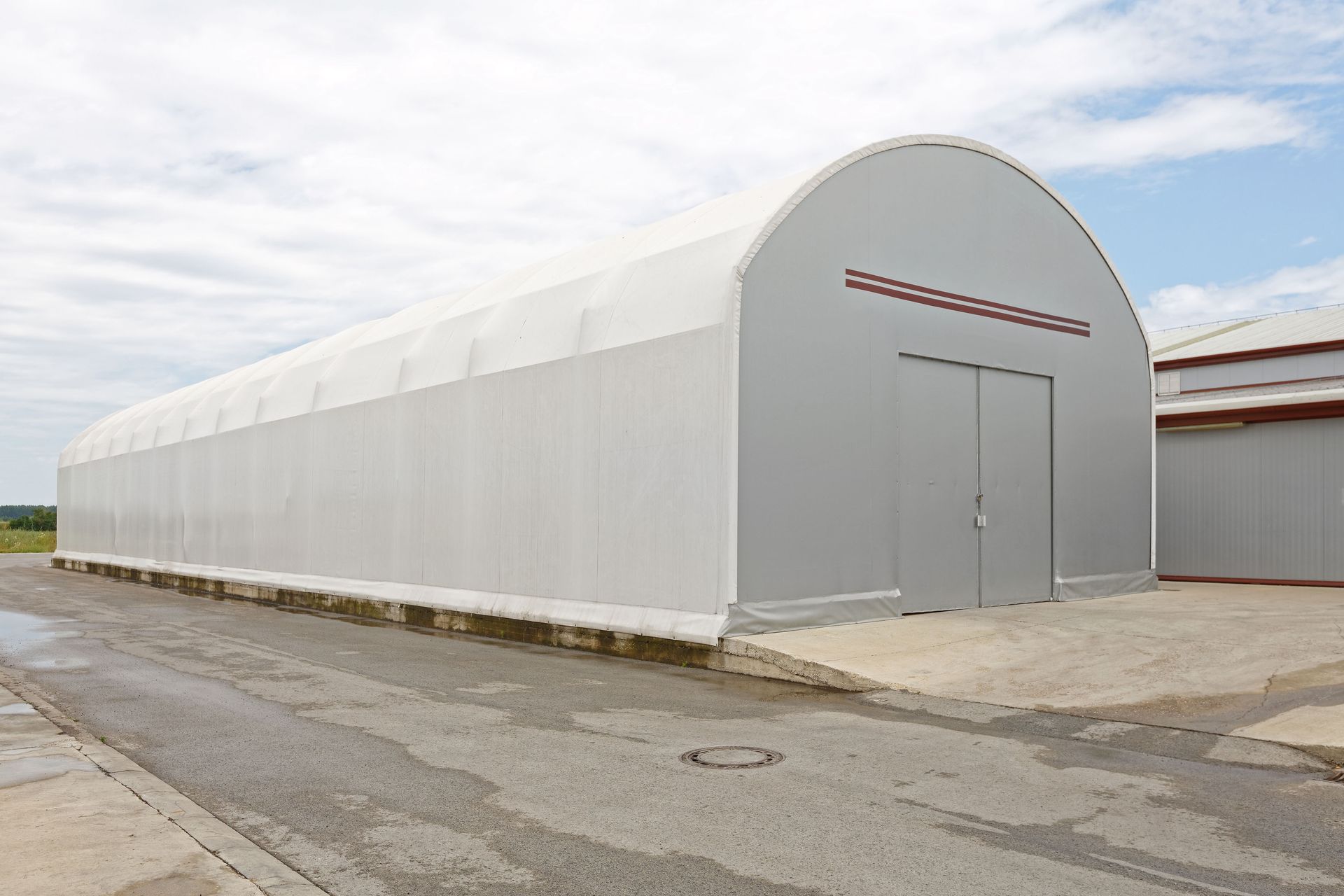
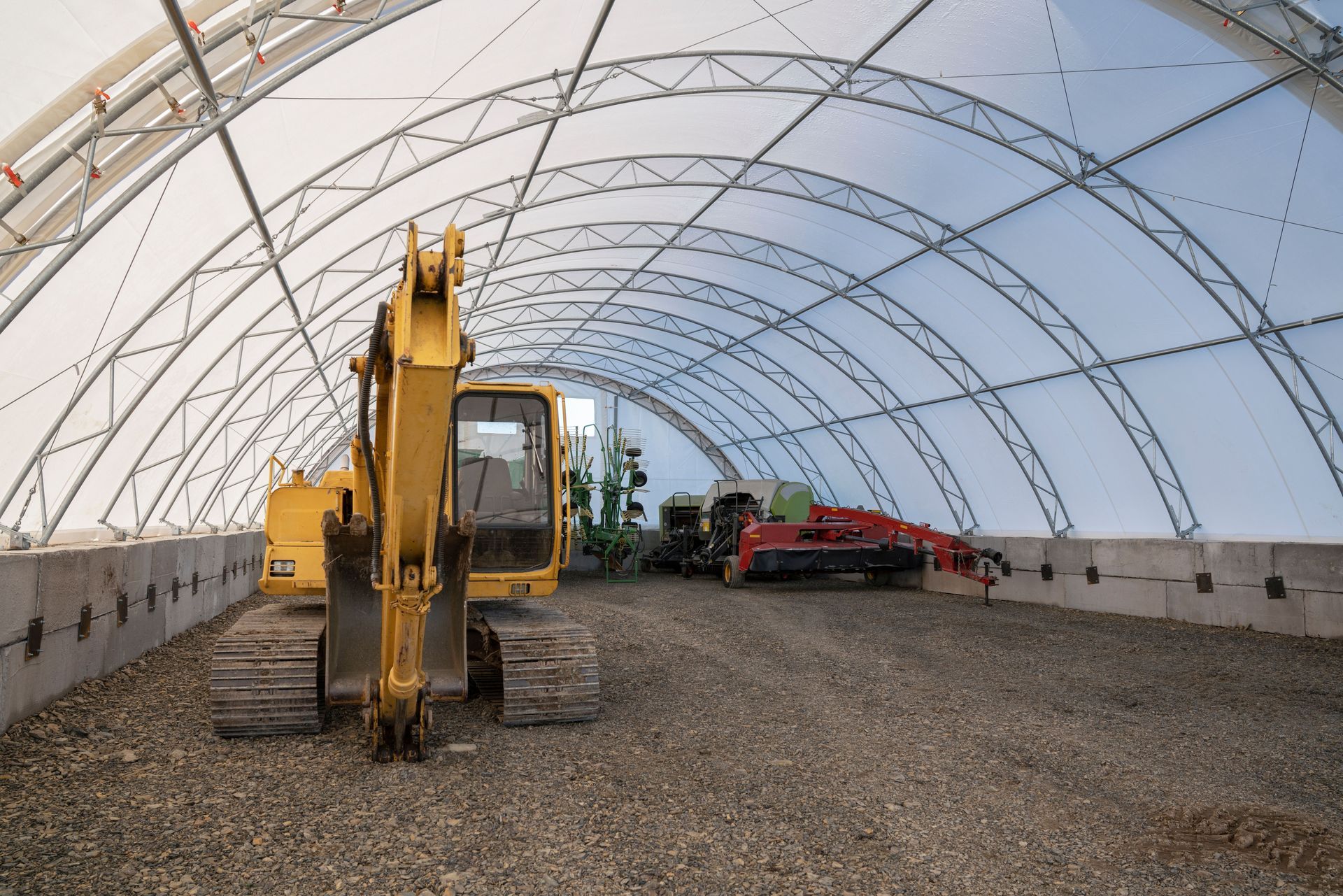
Tensioned membrane shelters have transformed how commercial and industrial organizations manage their daily working space. Choosing a fabric building offers incredible flexibility for operations that require large covered areas without interior support posts. These engineered structures feature high-strength steel frames covered by durable fabric covers. They deliver wide-open interior floor plans that make moving heavy machinery or organizing inventory simple for your team. Investing in a clear-span shelter protects your property while giving your staff ample room to work comfortably every day.
Defining Structural Frameworks
The structural core of these clear-span shelters relies on rigid steel trusses that support a tightly tensioned cover. High-performance fabric covers resist tearing and handle heavy wind loads during severe weather events. Heavy steel framing withstands extreme weather conditions while maintaining structural balance across the entire roof line. Because the fabric cover distributes tension evenly across the solid steel frame, the entire structure stays stable during storms. The translucent nature of white fabric covers lets natural daylight filter inside during daytime hours, creating a bright working environment without excessive glare.
Exploring Common Uses
Industries across the country rely on versatile clear-span shelters for daily operations. Farmers use these structures to store dry hay or keep harvesting equipment protected from severe weather. Industrial operations use these covered areas for bulk material storage or vehicle maintenance bays.
Commercial operations appreciate the wide open interior clearance that allows large delivery trucks to maneuver easily. Sports organizations and community facilities also build indoor turf fields under tensioned fabric roofs to keep activities running in any weather.
Comparing Traditional Structures
Constructing a traditional wood or concrete facility takes months of site preparation and heavy building work. In contrast, tensioned shelters assemble quickly, require simpler foundation setups, and can be relocated if site needs change over time. Choosing clear-span designs allows business owners to optimize their daily operations without dealing with complicated construction delays. While wood can rot and metal can corrode from constant moisture, quality covers handle harsh industrial environments smoothly. However, maintaining a fabric building requires proper attention to internal air movement to protect everything stored inside your facility.
Controlling Airflow for Long-Term Value
Managing interior air movement inside your facility protects your physical investment, your machinery, and the comfort of anyone working inside. Proper ventilation keeps fresh air moving continuously and stops stale, humid air from lingering near the ceiling. Controlling internal environmental conditions helps preserve stored goods while keeping your work floor safe and operational. Taking a proactive approach to ventilation safeguards your valuable equipment and long-term investments.
Improving Indoor Air Quality
When vehicles or heavy equipment operate inside an enclosed area, exhaust fumes and dust accumulate quickly. Bringing fresh air inside through planned ventilation paths dilutes airborne particles and removes unpleasant odors. Constant air movement creates a clean environment for workers or visitors throughout the workday, supporting health and productivity in every season. Proper air exchange keeps the interior fresh and comfortable for daily work.
Regulating Interior Temperatures
Direct sunlight hitting the roof of any shelter can raise interior temperatures during hot summer months. Proper circulation draws warm air up and out of upper ridge vents while pulling cooler air through lower side openings. During colder weather, gentle circulation keeps heat distributed evenly rather than letting it trap near the peak. Regulating temperature control inside a fabric building keeps your workspace comfortable across every season of the year. Balanced thermal conditions protect sensitive machinery and stored materials from extreme temperature shifts.
Managing Moisture Movement
Controlling humidity inside an enclosed facility prevents condensation from dripping onto equipment or inventory. Moisture problems usually occur when warm, humid air touches cooler steel frames or fabric covers. According to the U.S. Department of Energy, airflow accounts for over 98% of moisture movement in a building, which means managing this air movement stops water droplets from forming overhead and dripping onto your work floor.
Prolonging Structural Lifespans
Keeping interior steel components dry protects metal framing and hardware connections from premature rust. Consistently managing moisture levels extends the life of your equipment and protects the shelter itself. Taking care of air circulation prevents mold from growing on stored goods or structural components, ensuring that your shelter remains safe for long-term operational use.
Implementing Practical Ventilation Methods
Controlling air movement requires a combination of thoughtful building layouts and reliable ventilation equipment. You can choose natural methods or mechanical fans depending on how you use your interior space. Proper planning ensures that air circulates effectively across every square foot of your floor plan. Selecting the right setup depends on your specific building usage and daily operational needs.
Utilizing Natural Air Movement
Natural ventilation relies on wind currents and natural temperature differences to move air through your facility. Placing continuous ridge vents along the roof peak lets rising warm air escape naturally. Combining ridge vents with side mesh curtains or wall louvers pulls cool outdoor air through the lower walls. Designing a custom fabric building with natural ventilation features keeps utility costs low while providing continuous air movement.
Operating Mechanical Systems
When natural breezes are not enough to keep conditions comfortable, mechanical fans step in to maintain constant air movement. Exhaust fans mounted in end walls push stale air outside, while large circulation fans keep air moving across the floor. Mechanical systems give you complete control over total air volume, which is essential for busy manufacturing bays or animal housing.
Adjusting Architectural Layouts
Planning ventilation during the initial layout phase ensures your shelter performs properly from day one. Orienting the long side of the shelter perpendicular to prevailing summer breezes improves natural cross-ventilation. Adding wide overhead doors on opposite end walls creates clear paths for sweeping air movement when doors stay open during daily operations, maximizing fresh air intake.
Maintaining Ventilation Equipment
Keeping vents and fan blades clean ensures your ventilation systems operate at full capacity. Dust and dirt can accumulate on fan grills or intake screens, reducing total air volume over time. Inspecting mechanical fans and clearing wall vents before major seasonal weather changes keeps your system running smoothly and efficiently.
Overcoming Environmental Challenges
Different seasons bring unique challenges for interior climate management. Adapting your airflow strategy to match local weather patterns keeps your facility running efficiently year-round while preventing severe weather disruptions from impacting your daily operations. Planning for seasonal weather changes keeps your building performing reliably through every month of the year.
Handling Seasonal Changes
Winter weather requires careful airflow management to prevent condensation while retaining necessary indoor warmth. Closing lower wall curtains while leaving peak ridge vents open keeps air moving without creating cold drafts at floor level. In summer, opening side vents and running circulation fans keeps heavy heat from building up under the roof.
Taking control of your interior environment ensures your equipment, inventory, and daily operations remain protected for years to come. Proper airflow management prevents moisture problems, improves daily comfort, and extends the overall life of your facility. From initial layout choices to selecting the right ventilation setups, working with experienced professionals makes a lasting difference in performance.
Selecting a durable fabric building gives your business room to expand with complete confidence. When you are ready to construct a clear-span shelter, Structures Unlimited LLC provides durable solutions tailored to your operational needs. We bring years of practical construction experience and dependable customer service to every project. For clear answers and personalized project quotes on your next fabric building, contact us today.